Transitioning Your Atlanta Landscape from Winter to Spring with the Right Plants
Spring in Atlanta doesn’t arrive all at once—it unfolds. One week brings warmer afternoons, the next introduces early blooms, and suddenly the landscape begins to wake up. The most successful outdoor spaces don’t wait for spring to arrive fully; they are designed to transition into it smoothly, with intention and balance.
Rather than focusing on what’s blooming today, refined landscapes are built around continuity—plants that bridge seasons, maintain structure, and prepare the yard for the energy of spring without visual disruption.
Here’s how thoughtful plant selection helps Atlanta landscapes transition beautifully from winter into spring.
Why Seasonal Transitions Matter in Landscape Design
A landscape that shifts too suddenly from dormant to active can feel unfinished for months—or chaotic once spring growth takes over. Transitional planting ensures the outdoor space always feels intentional.
Well-designed seasonal transitions:
- Maintain visual structure year-round
- Reduce the “in-between” look common in early spring
- Allow spring growth to feel layered and controlled
Luxury landscapes prioritize rhythm, not seasonal extremes.
Evergreen Structure as the Spring Foundation
Evergreens play a critical role during seasonal transitions. As deciduous plants awaken and perennials reemerge, evergreens provide consistency and balance.
Key benefits include:
- Anchoring the design visually
- Supporting new growth without overwhelming it
- Preserving privacy and definition as the landscape shifts
Evergreens ensure spring additions feel integrated—not scattered.

Early Bloomers That Signal Spring Without Overwhelming
The most effective spring transitions rely on restraint. Early-blooming plants should act as signals—not statements.
Well-suited early spring bloomers for Atlanta include:
- Camellias for elegant, controlled color
- Hellebores for subtle interest in shaded areas
- Flowering shrubs that bloom before leaf-out
These plants introduce life gently, allowing the landscape to unfold rather than explode.
Layered Planting That Evolves Naturally
Layering is essential during the winter-to-spring transition. Each layer plays a role as temperatures rise.
A successful layered approach includes:
- Evergreen backbones that remain constant
- Mid-layer shrubs that begin early growth
- Perennials and groundcovers that emerge later
This sequencing creates depth and visual continuity throughout the transition.
Using Texture While Waiting for Full Color
Early spring is still a textural season. Bark, branching, foliage shape, and emerging growth all contribute to visual interest before flowers take center stage.
Design-forward texture includes:
- Ornamental grasses left standing until new growth appears
- Shrubs with distinctive branching habits
- Stone and hardscape that contrast with fresh greenery
Texture keeps the landscape visually rich while blooms develop.
Preparing Seasonal Flower Beds Thoughtfully
Seasonal beds shouldn’t feel bare or chaotic during early spring. Transitional planting ensures they feel intentional before peak bloom.
Smart preparation includes:
- Maintaining clean bed lines
- Allowing space for emerging plants
- Avoiding overcrowding with temporary color
This restraint allows spring plantings to perform at their best.
Cold-Hardy Plants That Support Unpredictable Weather
Atlanta’s spring weather can be unpredictable. Cold-hardy plants protect the landscape’s momentum during temperature swings.
Reliable transitional performers include:
- Evergreen shrubs that hold form
- Perennials with strong root systems
- Plants suited to Georgia’s climate variability
These selections ensure early growth isn’t lost to late cold snaps.

Guiding the Eye Toward Spring Focal Points
As spring approaches, the eye naturally seeks signs of renewal. Design can guide that attention intentionally.
Effective strategies include:
- Framing emerging blooms with evergreen structure
- Using repetition to reinforce focal areas
- Allowing new growth to appear where attention is welcome
This creates anticipation rather than distraction.
Spring Readiness Without Visual Disruption
The best spring landscapes don’t look “worked on.” They look ready.
That readiness comes from:
- Thoughtful plant spacing
- Clear hierarchy in planting design
- Allowing the landscape to reveal itself gradually
When spring arrives fully, the groundwork is already in place.
How Transitional Design Supports Outdoor Living
As outdoor use increases in spring, landscapes must support visibility, comfort, and flow.
Transitional planting ensures:
- Outdoor spaces feel welcoming earlier in the season
- Views from the home remain attractive
- Gathering areas feel framed and purposeful
This enhances enjoyment long before summer arrives.
Designing for Seasonal Continuity, Not Moments
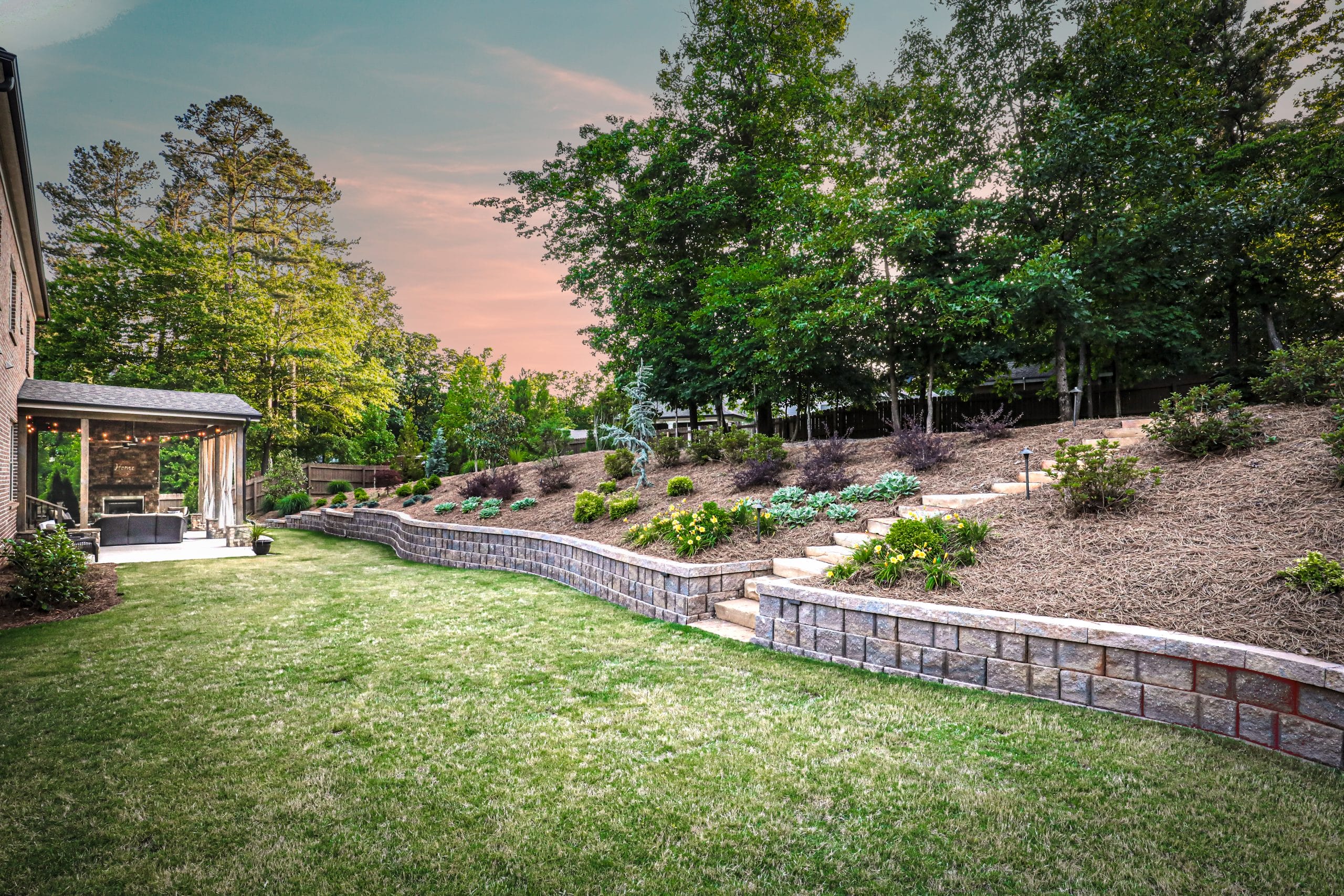
Great landscapes aren’t built around isolated moments—they’re designed for continuity. The winter-to-spring transition is one of the most important phases in that journey.
Designing for continuity means:
- Choosing plants for how they evolve, not just bloom
- Prioritizing structure and balance
- Avoiding reliance on short-lived color
This mindset creates landscapes that feel composed year-round.
Why Professional Plant Planning Makes the Difference
Transitional planting requires understanding growth cycles, scale, and how plants interact over time. Professional planning ensures the landscape transitions smoothly without overplanting or visual gaps.
Outdoor Makeover’s large-scale project capability allows us to design planting palettes that evolve beautifully from season to season. Our one-year support guarantee and extensive aftercare services ensure landscapes establish properly and mature as intended.
Welcoming Spring with Confidence
Spring doesn’t need to arrive all at once to feel exciting. When landscapes are designed to transition gracefully, every stage of the season feels intentional and beautiful.
At Outdoor Makeover, we design outdoor environments that evolve naturally—guiding Atlanta landscapes from winter into spring with balance, structure, and refinement. Through thoughtful plant selection and expert design, we help homeowners enjoy outdoor spaces that feel ready, welcoming, and alive as the seasons change.