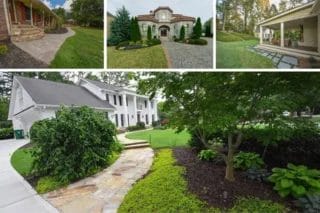
How to Create a Lush, Green Lawn Without Harsh Chemicals
A healthy, green lawn shouldn’t come at the expense of your family’s well-being or the environment around your home. More Atlanta homeowners are rethinking traditional lawn care approaches and asking a smarter question: Can a lawn thrive without harsh chemicals? The answer is yes—when the landscape is designed to support it from the ground up.
Chemical-free lawns aren’t achieved through shortcuts or trendy products. They’re the result of intentional planning, soil health, and design strategies that allow grass to grow strong naturally. A lush lawn without harsh chemicals starts long before the grass turns green.

Rethinking Lawn Health from a Design Perspective
Many conventional lawn issues—thin grass, weeds, discoloration—are symptoms of deeper design problems rather than maintenance failures. Poor drainage, compacted soil, and improper layout all stress turf, making chemical intervention seem necessary.
A design-forward approach focuses on:
- Creating conditions where grass thrives naturally
- Reducing stressors that invite weeds and disease
- Supporting consistent, even growth
When lawns are designed correctly, chemical dependency drops dramatically.
Soil Health Is the Foundation of a Chemical-Free Lawn
Healthy soil is the single most important factor in sustainable grass care. Soil supports root development, water absorption, and nutrient availability—everything turf needs to grow dense and resilient.
Strong soil supports:
- Deeper root systems
- Better moisture retention without waterlogging
- Natural resistance to weeds and stress
Without healthy soil, even the most aggressive chemical programs struggle to deliver lasting results.
Why Atlanta Soil Requires Special Attention
Atlanta-area soils are often clay-heavy, which can compact easily and restrict airflow and water movement. Compacted soil weakens grass, leaving it vulnerable to weeds and discoloration.
Design strategies that improve soil conditions include:
- Proper grading and drainage planning
- Reducing compaction through thoughtful layout
- Designing lawn areas that aren’t overstressed
When soil structure improves, grass performance improves naturally.
Grass Selection That Supports Sustainable Growth
Not all grass types perform equally under chemical-free conditions. Selecting turf suited to Atlanta’s climate is essential.
Design-appropriate grass choices:
- Adapt well to regional weather patterns
- Develop strong root systems naturally
- Require fewer inputs to maintain color and density
Choosing the right grass reduces reliance on treatments designed to compensate for poor compatibility.
Lawn Size & Placement Matter More Than Most People Realize
One of the most overlooked factors in lawn health is how much lawn a landscape includes—and where it’s placed.
Chemical-free lawn design favors:
- Lawns sized for actual use, not excess
- Avoiding shaded or poorly drained areas for turf
- Framing lawns with planting beds and hardscape
Right-sizing the lawn reduces stress and improves overall performance.
Drainage Design Prevents Lawn Problems Naturally
Standing water and inconsistent moisture are major contributors to lawn decline. Poor drainage weakens roots and encourages disease—often leading homeowners toward chemical solutions.
Good drainage design:
- Prevents water from pooling in turf areas
- Encourages deep root growth
- Creates consistent moisture conditions
Drainage is a design solution—not a maintenance one.

Reducing Weed Pressure Without Chemicals
Healthy lawns naturally resist weeds. Dense turf leaves little room for unwanted growth to establish.
Design strategies that reduce weed pressure include:
- Proper spacing between lawn and planting beds
- Clean, defined edges
- Lawn layouts that support even growth
When weeds are starved of opportunity, chemical control becomes far less necessary.
Eco-Friendly Landscaping Supports Lawn Health
A lawn doesn’t exist in isolation—it’s part of a larger ecosystem. Eco-friendly landscaping practices support turf health indirectly by stabilizing the surrounding environment.
Sustainable landscape design includes:
- Balanced planting that reduces erosion
- Materials that don’t leach harmful substances
- Reduced runoff that carries contaminants
A healthier landscape creates a healthier lawn.
Family-Friendly Lawn Design Prioritizes Safety
Chemical-free lawns are especially appealing for families with children and pets. Designing for safety starts with eliminating unnecessary exposure.
Designing safe outdoor spaces means:
- Minimizing reliance on chemical treatments
- Encouraging barefoot-friendly turf
- Creating outdoor areas meant for everyday use
When lawns are designed for living, safety becomes a natural outcome.
Watering Efficiency Starts with Design
Overwatering and underwatering both stress lawns. Efficient watering is easier when lawn areas are designed intentionally.
Design considerations include:
- Lawn placement relative to sun exposure
- Proper grading to distribute water evenly
- Integrating lawn zones into the broader landscape plan
Efficient watering supports healthy growth without intervention.
The Role of Organic Inputs—Without the Gimmicks
Organic lawn care works best when paired with strong design fundamentals. Without healthy soil and proper layout, even organic solutions underperform.
Design-first lawns allow:
- Organic inputs to work effectively
- Reduced frequency of treatments
- More predictable results
Organic strategies should support the design—not replace it.

Designing Lawns That Recover Naturally
All lawns experience wear. The difference between a struggling lawn and a resilient one lies in recovery ability.
Resilient lawns are supported by:
- Healthy root systems
- Proper spacing and airflow
- Design layouts that distribute use
When lawns recover quickly, harsh chemicals become unnecessary.
Long-Term Benefits of Chemical-Free Lawn Design
Chemical-free lawns deliver benefits beyond appearance.
Long-term advantages include:
- Improved soil health year after year
- Reduced long-term costs
- Safer outdoor environments
- More consistent lawn performance
This approach aligns with luxury landscape principles—durability, intention, and longevity.
Why Professional Design Makes the Difference
Achieving a lush, chemical-free lawn isn’t about eliminating products—it’s about eliminating design flaws. Professional planning ensures lawns are placed, supported, and integrated correctly from the start.
Outdoor Makeover’s large-scale project capability allows us to design landscapes where lawns thrive naturally as part of a cohesive outdoor environment. Our one-year support guarantee and extensive aftercare services ensure landscapes continue performing as intended well beyond installation.
A Healthier Lawn Starts with Smarter Design
A green, healthy lawn doesn’t require harsh chemicals when it’s designed to succeed. By prioritizing soil health, thoughtful layout, and sustainable strategies, Atlanta homeowners can enjoy lawns that look beautiful, feel safe, and perform reliably.
At Outdoor Makeover, we believe the best landscapes work with nature—not against it. Through intentional design and long-term thinking, we help families create outdoor spaces that are healthier, safer, and built to last.