Architectural Raised Planters
In refined outdoor design, structure matters just as much as style. Clean lines, intentional elevation changes, and well-defined spaces are what separate professionally designed landscapes from ordinary yards. One of the most effective—and often overlooked—ways to introduce structure is through architectural raised planters.
Unlike traditional garden beds, architectural raised planters are not about gardening or seasonal upkeep. They are built landscape features that add dimension, organization, and visual clarity to outdoor spaces. When designed correctly, they become part of the architecture of the landscape—supporting outdoor living areas, framing views, and elevating the overall design. Raised planters are one of those elements that quietly do a lot of work: defining space, improving flow, and reinforcing a polished, intentional look.
Raised Planters as Architectural Elements, Not Gardens
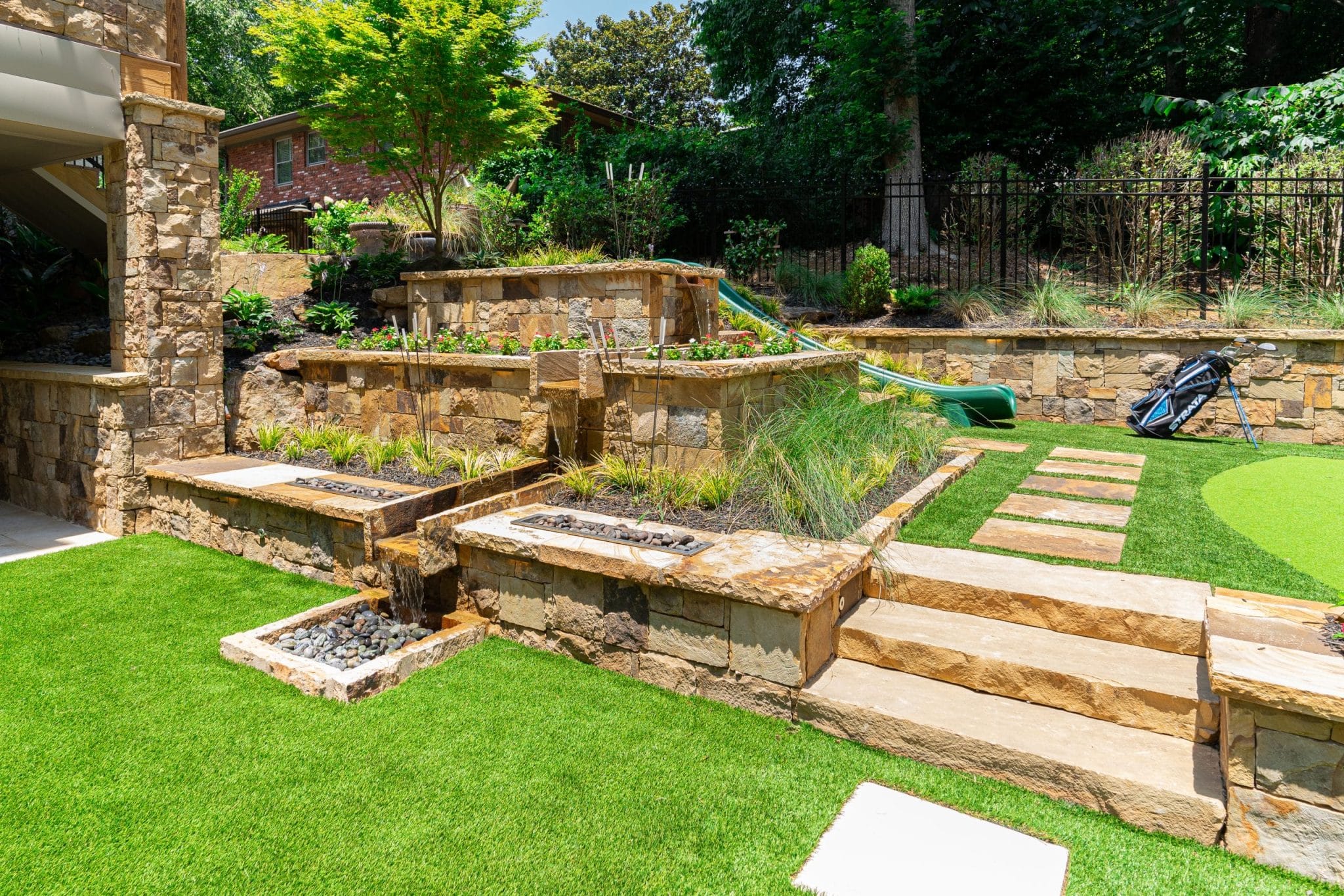
The key distinction lies in how raised planters are used. In luxury landscape design, they are not treated as places to grow vegetables or seasonal flowers. Instead, they function as built forms that shape the outdoor environment.
Architectural raised planters:
- Act as low retaining structures
- Introduce elevation where flat space feels uninteresting
- Define outdoor “rooms” without walls
- Frame patios, walkways, and gathering areas
They are part of the hardscape system, not a gardening feature.
Why Elevation Instantly Improves Landscape Design
Flat landscapes often lack depth. Even beautifully planted spaces can feel one-dimensional without subtle changes in elevation.
Raised planters add:
- Visual layering
- Shadow and light contrast
- Clear separation between spaces
- A sense of intentional design
By lifting planting slightly above grade, the entire landscape gains dimension and sophistication.
Where Architectural Raised Planters Work Best
Raised planters are highly versatile and can be integrated throughout the landscape.
Common placements include:
- Along patio edges to define seating areas
- Near entryways to frame approach and arrival
- As transitions between lawn and hardscape
- Integrated into retaining wall systems
- Along property lines for subtle screening
In each case, the planter supports the overall layout rather than standing alone.
Supporting Outdoor Living Spaces With Structure
Outdoor living areas feel more comfortable when they’re subtly defined. Raised planters help create this sense of enclosure without closing spaces off.
They can:
- Separate dining and lounge zones
- Provide visual boundaries around patios
- Soften hardscape edges
- Enhance privacy without fencing
This structural role makes outdoor spaces feel intentional and inviting.
Material Choices That Signal Quality & Longevity
Because raised planters are permanent features, material selection is critical. These elements must perform structurally while maintaining a refined appearance over time.
High-end planter materials often include:
- Natural stone
- Masonry or concrete systems
- Materials coordinated with patios and retaining walls
Consistency in materials ensures raised planters feel like part of the original design—not additions.
Clean Lines Over Decorative Detail
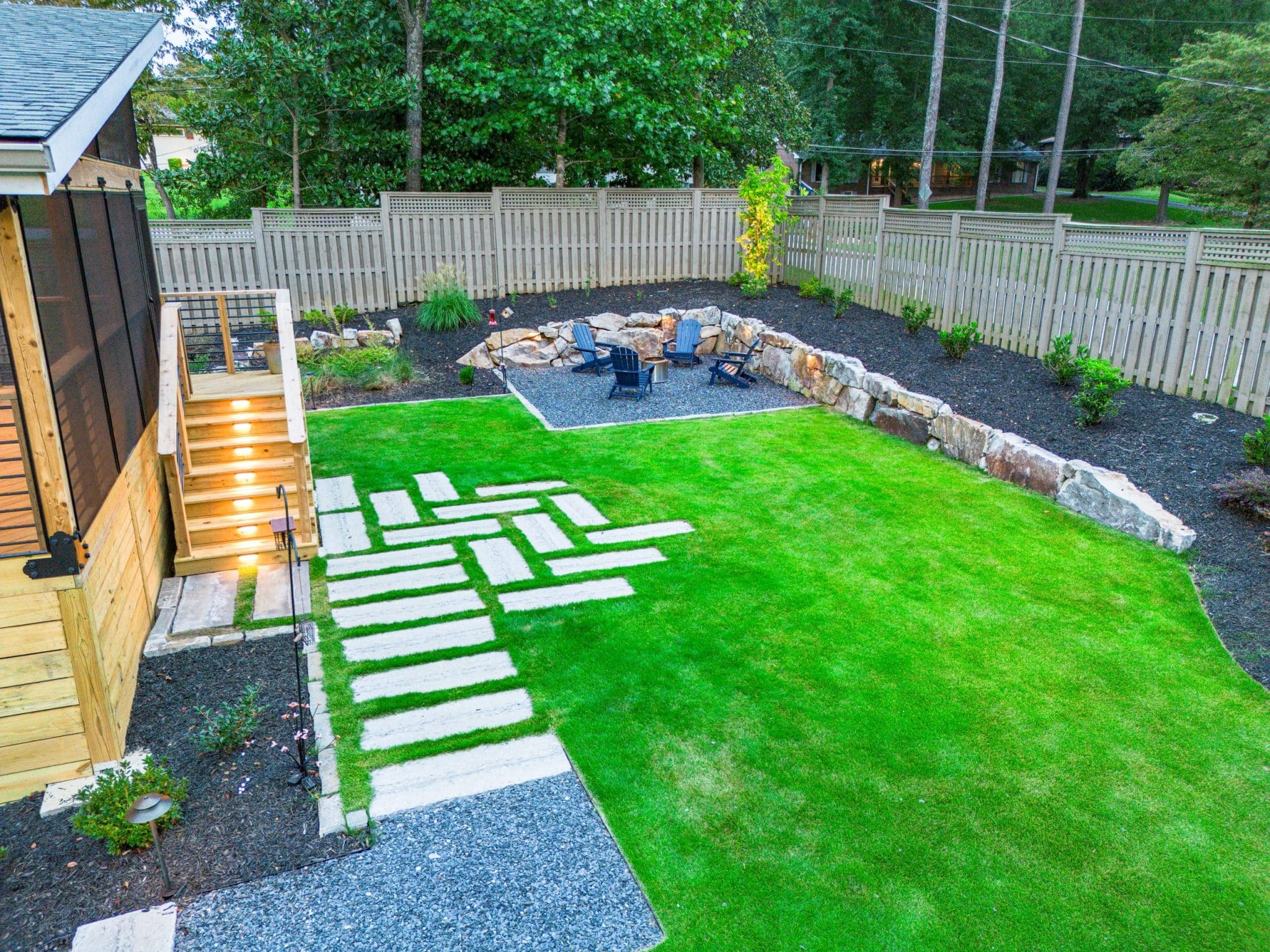
Luxury landscapes favor restraint. Architectural raised planters typically feature clean edges and simple geometry.
This approach:
- Complements modern and transitional homes
- Keeps the focus on space and proportion
- Allows planting to soften rather than dominate
The result is a landscape that feels calm, balanced, and timeless.
Using Raised Planters to Improve Flow
Raised planters don’t just affect how a space looks — they influence how people move through it.
Strategic placement can:
- Guide circulation naturally
- Prevent foot traffic through planting areas
- Create visual cues for gathering and movement
Flow improves when the landscape quietly directs behavior.
Raised Planters as Low Seating & Informal Edges
When designed intentionally, Architectural Raised Planters can double as informal seating or leaning edges near gathering areas.
This provides:
- Additional function without extra furniture
- Casual seating for large gatherings
- A cohesive, built-in feel
These subtle dual-purpose elements add both usability and elegance.
Enhancing Privacy Without Enclosure
Privacy doesn’t always require tall screens or walls. Raised planters allow for layered design that feels lighter and more refined.
They support:
- Layered planting for screening
- Visual separation between neighboring properties
- A sense of intimacy without confinement
This approach maintains openness while increasing comfort.
Raised Planters & Modern Landscape Design
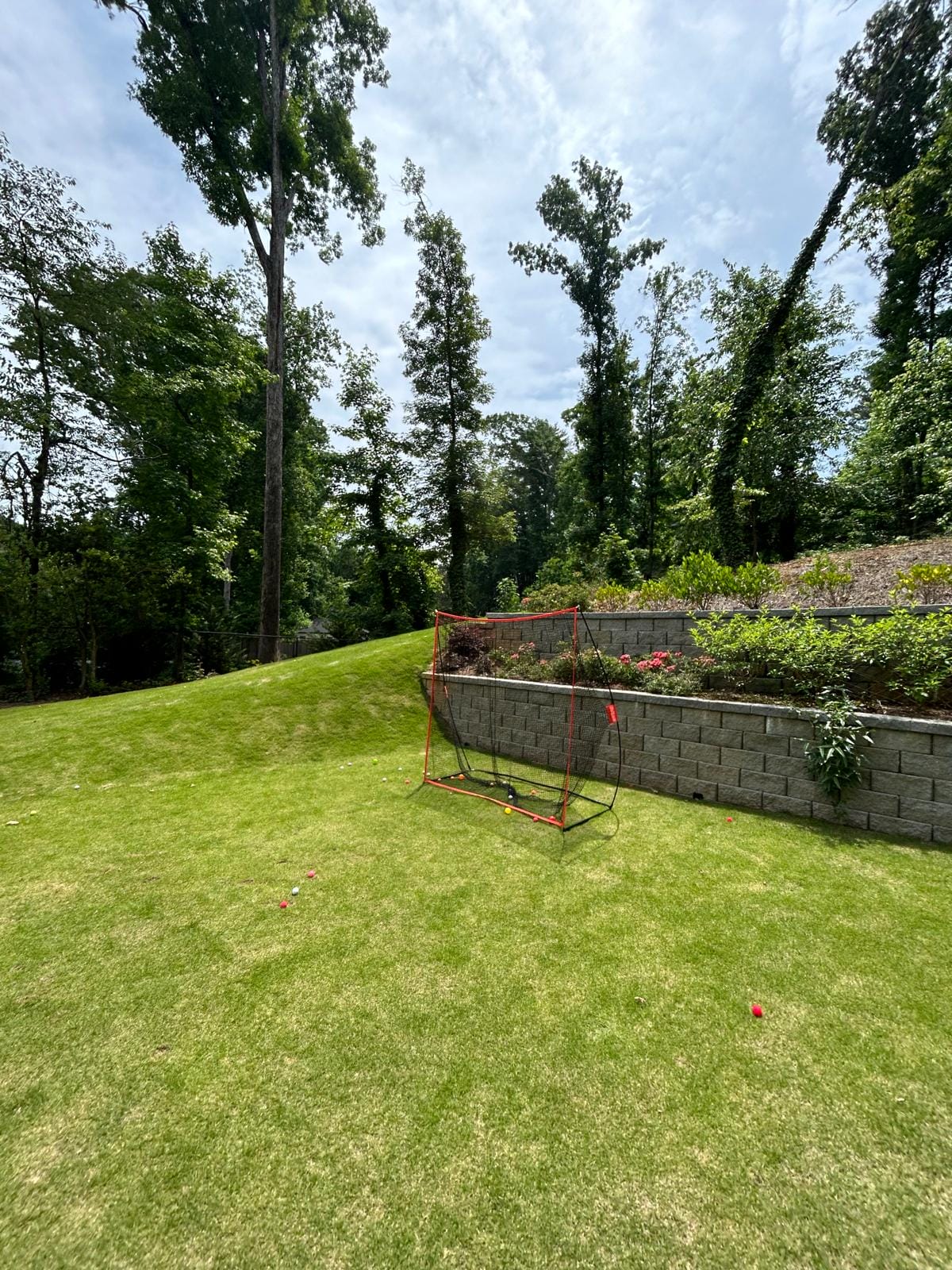
In contemporary landscapes, raised planters often replace decorative borders or ornate features. Their clean geometry aligns well with modern outdoor architecture.
They work especially well when paired with:
- Large-format pavers
- Minimalist planting palettes
- Integrated lighting
- Structured outdoor living layouts
The combination feels intentional and current rather than trendy.
Drainage & Performance Benefits
Beyond aesthetics, raised planters improve performance in Atlanta landscapes.
They can:
- Improve drainage in heavy clay soils
- Protect planting from pooling water
- Support healthier, longer-lasting plantings
These benefits contribute to long-term landscape success.
Integrating Lighting Into Raised Planters
Raised planters provide excellent opportunities for subtle landscape lighting.
Integrated lighting can:
- Highlight edges and elevation changes
- Enhance safety along walkways
- Create evening ambiance around patios
Lighting reinforces the architectural role of the planter after dark.
Avoiding the “Garden Bed” Look
One of the most common mistakes is treating raised planters like traditional garden beds.
Professional design avoids:
- Overly decorative edging
- Excessive plant variety
- Seasonal clutter
Instead, planting is restrained and complementary, allowing the structure to remain the hero.
Long-Term Value of Architectural Raised Planters
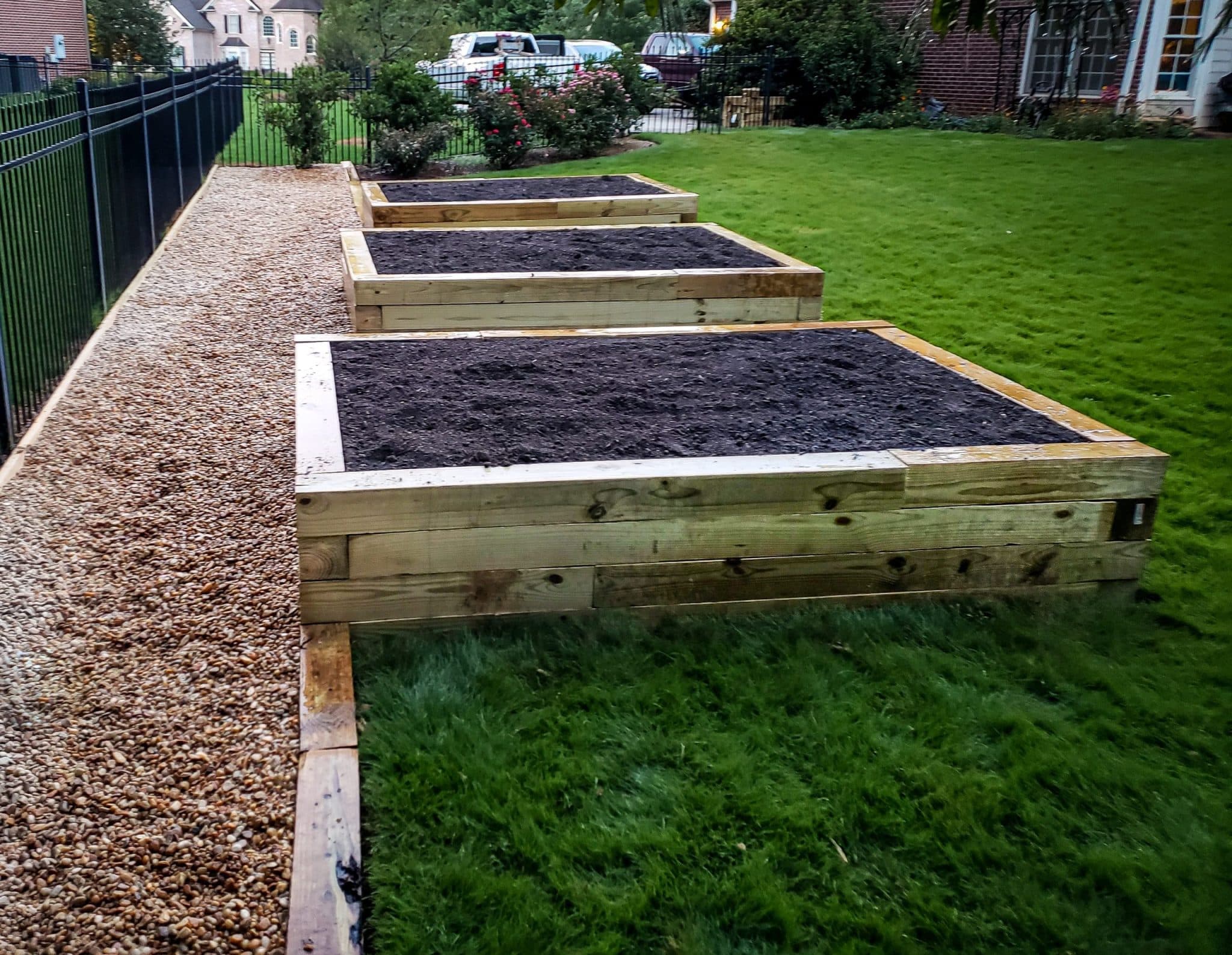
Because they are structural, raised planters contribute to long-term property value.
They:
- Increase perceived design quality
- Add functional square footage to outdoor spaces
- Reduce future redesign needs
- Reinforce a custom, high-end look
These features age well and remain relevant as styles evolve.
Why Professional Design & Installation Matter
Architectural raised planters require more than surface-level planning. Proper foundations, drainage, material coordination, and integration with surrounding hardscape are essential.
Outdoor Makeover’s large-scale project capability allows us to design raised planters that function as part of a cohesive landscape system. Our one-year support guarantee and extensive aftercare services ensure confidence in both performance and longevity.
Designing Landscapes With Purpose & Precision
Raised planters, when done correctly, are not decorative extras — they are architectural tools. They bring order, clarity, and refinement to outdoor spaces while supporting how families gather and move through their landscape.
At Outdoor Makeover, we design outdoor environments where structure and beauty work together. Through thoughtful use of architectural raised planters, we help Atlanta homeowners elevate their landscapes with clean lines, intentional design, and long-lasting craftsmanship.