Best Low-Maintenance Plants for Busy Homeowners
A beautiful landscape shouldn’t demand constant attention. For today’s busy homeowners, the most successful outdoor spaces are those that look polished and intentional while requiring minimal upkeep. In Atlanta, where heat, humidity, and changing seasons can challenge poorly planned landscapes, low-maintenance planting is less about choosing a few “easy” plants and more about designing intelligently from the start.
Low-maintenance landscapes don’t feel sparse or unfinished. When done correctly, they feel balanced, lush, and effortless—because the design works with the environment rather than against it. The key is selecting the right plants and using them in the right way.
What “Low-Maintenance” Really Means in Landscape Design
Low-maintenance doesn’t mean no maintenance—it means predictable, manageable, and minimal effort over time.
In professional landscape design, low-maintenance planting:
- Uses plants suited to Atlanta’s climate
- Prioritizes structure and longevity
- Reduces the need for frequent replacement
- Performs consistently across seasons
This approach delivers beauty without constant intervention.
Why Plant Selection Matters for Busy Homeowners
Many landscape issues stem from plants that were never suited for the space. When plants struggle, maintenance increases.
Smart plant selection:
- Reduces watering demands
- Minimizes pruning and cleanup
- Improves long-term plant health
- Keeps landscapes looking intentional
Choosing the right plants upfront saves time every season.
Evergreen Shrubs: The Backbone of Low-Maintenance Landscapes
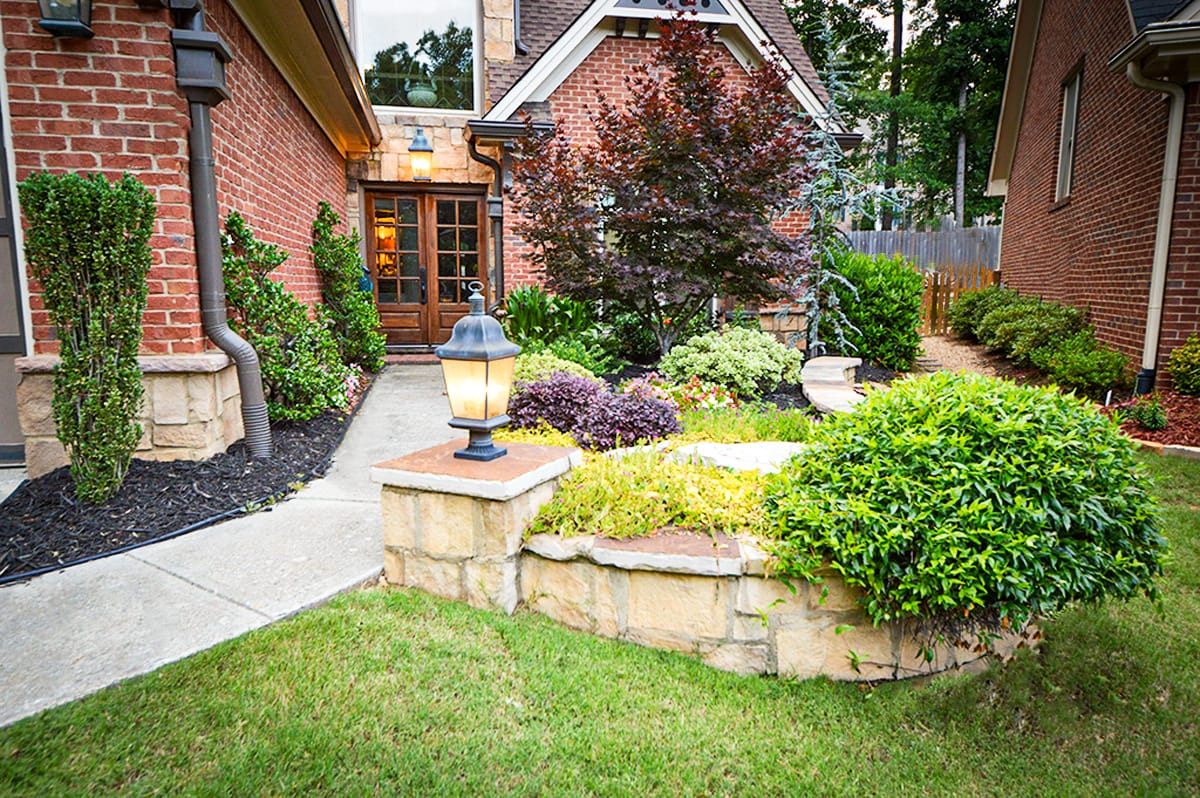
Evergreens provide year-round structure, making them essential for low-maintenance design.
Reliable evergreen options for Atlanta landscapes include:
- Dwarf yaupon holly
- Inkberry holly
- Boxwood alternatives suited to local conditions
These plants:
- Hold shape naturally
- Require minimal seasonal attention
- Keep landscapes looking finished year-round
Structure reduces the need for constant updates.
Georgia Native Plants for Reliable Performance
Native plants are naturally adapted to Atlanta’s climate, making them a smart choice for low-effort landscapes.
Benefits of native plant use include:
- Improved drought tolerance once established
- Strong resistance to local pests and stress
- Consistent performance across seasons
When used intentionally, native plants feel refined—not wild.
Drought-Tolerant Plants That Still Feel Lush
Low-water does not mean low-impact. Many drought-tolerant plants provide fullness and texture without heavy irrigation needs.
Design-forward drought-tolerant planting:
- Reduces water dependency
- Handles heat stress gracefully
- Maintains appearance during dry periods
This is especially valuable during Atlanta’s hotter months.
Ornamental Grasses for Texture With Minimal Care
Ornamental grasses are a favorite in low-maintenance landscapes because they do a lot with very little effort.
They offer:
- Movement and softness
- Seasonal interest without constant upkeep
- Strong performance in full sun
Used in moderation, grasses add elegance without extra work.
Groundcovers That Replace Problem Areas
Certain areas of the yard—slopes, shaded corners, or narrow strips—often require more effort than they’re worth.
Low-maintenance groundcovers:
- Reduce erosion
- Limit weed growth
- Eliminate the need for turf in difficult areas
This simplifies maintenance while improving appearance.
Limiting Variety for Easier Care
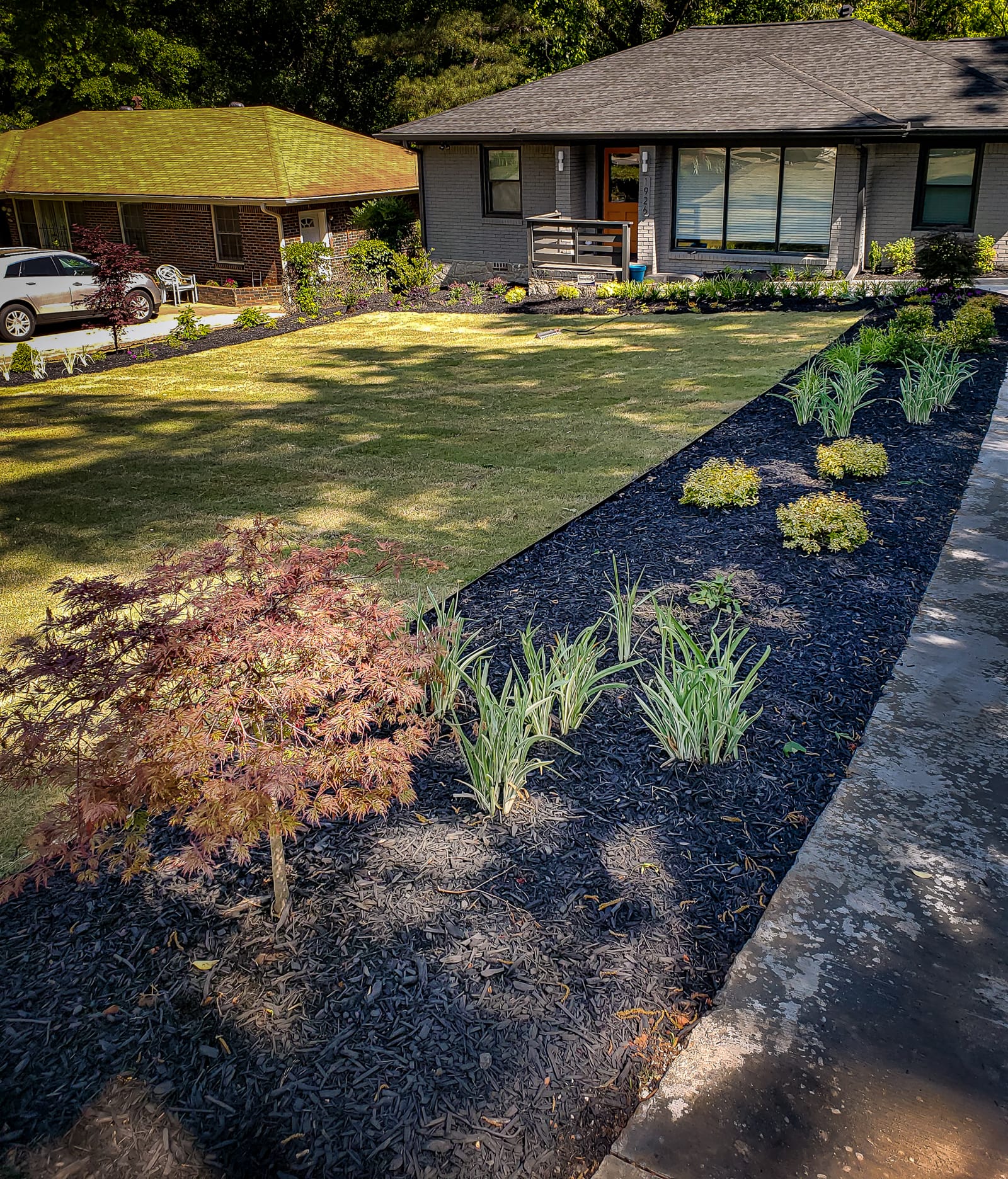
One of the biggest mistakes homeowners make is overusing too many plant types. Variety increases maintenance.
Professional design favors:
- Fewer plant varieties
- Repetition across the landscape
- Clear visual rhythm
This approach looks cleaner and is easier to manage long-term.
Matching Plants to the Right Conditions
Even low-maintenance plants fail if placed incorrectly.
Design-led planting considers:
- Sun exposure
- Soil conditions
- Drainage patterns
When plants are placed where they naturally thrive, maintenance drops dramatically.
Planting That Supports Outdoor Living Spaces
Low-maintenance planting should enhance—not interfere with—outdoor living.
Strategic planting:
- Frames patios and seating areas
- Maintains clear sightlines
- Avoids overgrowth near gathering spaces
This keeps outdoor living areas usable and inviting.
Avoiding High-Maintenance Plant Traps
Some plants look appealing initially but require constant attention.
High-maintenance traps include:
- Plants with aggressive growth habits
- Species that require frequent pruning
- Plants sensitive to heat or moisture swings
Professional planning avoids these issues from the start.
Sustainable Planting as a Time-Saving Strategy
Sustainability and low maintenance go hand in hand.
Sustainable planting design:
- Uses fewer resources
- Reduces replacement cycles
- Supports healthier landscapes
This benefits both homeowners and the environment.
How Low-Maintenance Design Enhances Family Life
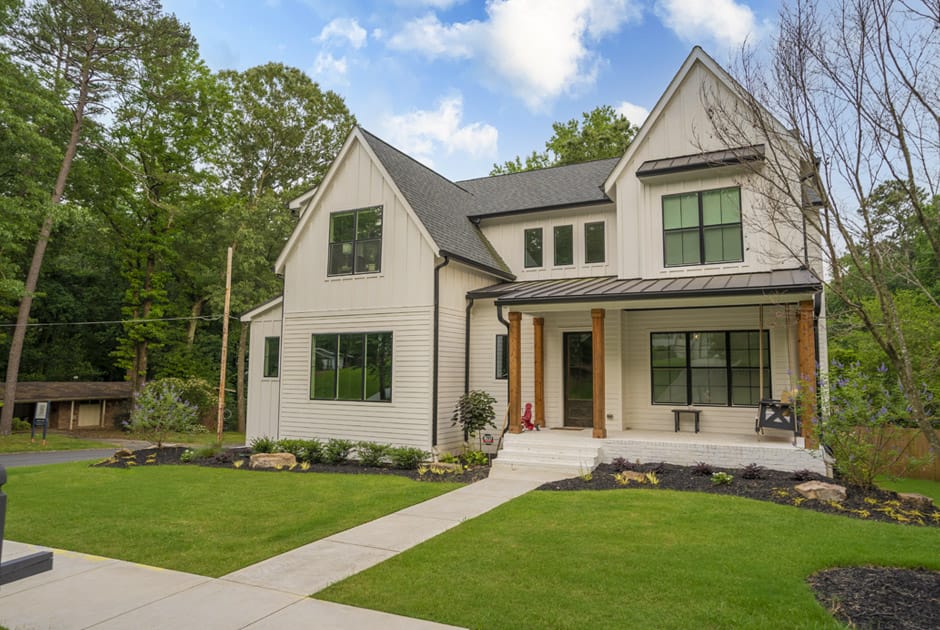
For families, time outdoors should be enjoyable—not another responsibility.
Low-maintenance landscapes:
- Stay usable year-round
- Support spontaneous outdoor time
- Reduce weekend upkeep
This encourages more frequent outdoor use.
Long-Term Value of Low-Maintenance Landscapes
Low-maintenance planting isn’t just about convenience—it’s a smart investment.
Benefits include:
- Reduced long-term costs
- Consistent curb appeal
- Higher perceived property value
Longevity is a defining feature of luxury landscapes.
Why Professional Design Makes the Difference
Low-maintenance success depends on coordination—not just plant choice.
Outdoor Makeover’s large-scale project capability allows us to design planting plans that complement hardscape, outdoor living spaces, and architecture. Our one-year support guarantee and extensive aftercare services ensure landscapes establish correctly and continue performing beautifully.
Landscapes Designed for Real Life
The best landscapes fit seamlessly into busy lives. With the right plant selections and thoughtful design, outdoor spaces can remain beautiful without constant effort.
At Outdoor Makeover, we design low-maintenance landscapes that support how families actually live. Through climate-aware planning and refined design, we help Atlanta homeowners enjoy outdoor spaces that look great—and stay that way.