A home is more than just the interior. Given the rise in popularity in creating more livable outdoor spaces, it’s no surprise how much value is being added by outdoor porch installation. Porches are an extension of your home. Porch Installation serve as the perfect place to entertain guests or relax with your family – all while enjoying views of your beautifully crafted landscape.
Outdoor Makeover & Living Spaces is the premier Atlanta based Landscape Company that specializes in porch design and construction. With our expertise and attention to detail, our team of porch builders in Atlanta are dedicated to transforming outdoor spaces into beautiful and luxurious living areas. From the initial design consultation to the final porch construction, we ensure a seamless process. Our team consider all factors such as the style of the home, the surrounding landscape, and the intended use of the porch to create a cohesive and inviting outdoor space. We are committed to using high-quality and different type of materials and employing skilled craftsmen to ensure the durability and longevity of your new porch installation.
Whether you are looking for front porch installation services or three season porch, our experts have a complete understanding of local building codes and regulations, ensuring that all projects are completed in compliance with the necessary standards. Whether clients desire a cozy and intimate porch or a grand and spacious entertaining area, we’ve got the expertise to deliver.
OUR PORCHES OPTIONS INCLUDES
Partially open or enclosed porches provide more protection from the elements and extend your living space. Porch designs can be versatile. The design and elegance will be used down to the details in the surrounding walls of the porch. Enclosed porches can also function as outdoor living rooms.

Open Porch
An open porch is any type of covered roof area. Open porches can be built at ground level with beautiful stone or paver flooring, or raised to a deck height, built of natural and long lasting composite materials. Open porches can often feel larger than similar size screen porches, due the lack of furniture restrictions and placement for screens and screen doors.

Screen Porch
Most open porches can be upgraded to add screens, either fixed or motorized. A screened porch can help you enjoy all the benefits of being outside, without the hassle of mosquitoes or other critters that live outdoors. A screen porch can also use the screens to give a little more privacy in crowded areas.

Three Season Porch
Want to use your porch even later in the season? Specially designed vinyl porch windows allow a screen porch to be converted into a three-season room. Three season porch offer the ability to open the windows in the summer for a screened effect, or close them in the winter to retain heat and protect from wind-chill. They also are great for keeping outdoor spaces clean during a dusty pollen season, or heavy sideways rains!


STYLES WE OFFER

Modern Porch
A modern porch installation typically featured by clean lines, minimalistic design, and more simple materials. It frequently has open areas and elegant finishes, as well as modern outdoor furniture and minimalist landscaping.

Farmhouse Porch
A farmhouse porch installation represents a rustic and appealing aesthetic that embraces the natural materials of a porch. It is distinguished by traditional components such as a hardwood decking or brick flooring, a gabled roof featuring natural ceiling beams or rafters, and Edison bulbs and other forms or cozy lighting. Hammocks, wooden benches, and natural décor such as potted plants and hanging baskets are common features that soften some of the natural components.

Traditional Porch
A traditional porch installation displays tried and true historical architectural styles like Colonial, or Craftsman. It is commonly distinguished by symmetrical design components, trimmed columns or posts, and ornamental detailing. Classic porches are often cozy and inviting, with comfy seating, porch swings, and classic features such as hanging lanterns or flower boxes. Almost all houses can feature this style seamlessly with the home.
DIFFERENT PORCH ROOFS STYLE

Gable
A gable roof has two sloping sides that form a triangle at the top, resembling an inverted “V” shape. It is a popular porch roof style known for its classic appearance and efficient water drainage. Plus, clients love the high vaulted ceilings.

Shed
A shed or slant roof has a single sloping surface that slopes downward from one side of the porch to the other. It is a simple and economical porch roof style commonly used for modern or minimalist designs. It can often fit where other roof types are blocked by doors or second story windows.

Hip
A hip roof has slopes on all four sides that meet at a ridge, forming a gentle slope instead of a peak. This porch roof style provides a more rounded and aesthetically pleasing look while offering good stability and resistance to strong winds.

Shed with Gable Interception
This porch roof style combines elements of both shed and gable roofs. It features a shed roof with a gable roof intersecting at one end. This design adds visual interest to the porch while still providing the functional benefits of both roof styles, such as efficient water drainage and increased interior space.
EXAMPLES OF PORCHES

Porches On The Ground
These are porches built directly on the ground. They are often attached to the front entrance, side of the house, or rear of a house and provide a relaxing and socializing outside place. Ground-level porches are right next to the yard, making them feel like a more naturally integrated living space beside a lush lawn, playground or firepit space.

Second Story Porch
As the name implies, a second-story porch is positioned on the second floor of a house. It is an elevated outdoor place with a view that extends from an upper floor. Second-story porches are accessible from the inside of the home by a door or stairway and provide a secluded and picturesque location for leisure and enjoyment.

Front Porch
Porch Installation is a traditional and distinctive feature of many homes. It is situated near the front of the house entry and functions as a transitional zone between the inside and the external. Front porches are frequently covered and offer a cozy and inviting space for relaxing, socializing with neighbors, or simply enjoying the outdoors.
ROOFING OPTIONS FOR PORCHES

Metal Roofing
Metal roofing is well-known for its durability, lifespan, and low maintenance requirements. They are available in a variety of materials, including steel, aluminium, and copper, and may be customized to fit various architectural designs. Metal roofs provide great weather protection against rain, snow, and UV radiation. They are rot, bug, and fire resistant. Furthermore, metal roofs may be energy-efficient by reflecting sunlight and lowering heat absorption, which can aid in energy savings. They are extremely lightweight, making them appropriate for new porch building as well as retrofitting existing structures.

Asphalt Shingles
Asphalt shingles are a popular and Affordable Porch Roofing alternative. They are constructed from a fiberglass or organic material that has been treated with asphalt and mineral granules. Asphalt shingles are available in a variety of colors and designs, allowing homeowners to obtain a variety of aesthetic aspects. They are a convenient alternative since they are reasonably simple to install and repair. Asphalt shingles offer decent protection against rain and sunshine, but have a shorter lifespan than metal roofs. Most homes have three-tab or architectural style shingles.
DIFFERENT PORCH CEILING DESIGNS

Faux Beams
Faux beams are decorative features that resemble actual timber beams but are often built of lightweight materials such as PVC, or 1” lumber. They may be used to lend a rustic or traditional look to a porch ceiling without the weight and cost of genuine beams.

Tongue and Groove
A tongue and groove joint is one that has a projecting “tongue” on one side of a board that fits into a similar groove on the next board. This style generates a tight, interlocking connection between boards, which is widely Utilized to create a smooth and visually pleasing surface on porch ceilings.

Exposed Rafter
Exposed rafters are the visible structural parts of a porch ceiling that are not covered. This design option makes the area feel more rustic and open, showcasing the natural beauty of the rafters and providing architectural interest to the porch.

Beadboard
Beadboard is a style of paneling that consists of narrow, vertical planks with a noticeable bead or groove running along the junction between each plank. It is frequently used on porch ceilings to provide a bit of classic or cottage-style charm to the room, adding texture and visual appeal. Most often we use a material called plyboard,, which is a sheet material, offering this same classic look, at an even friendlier cost.

Flat
Flat ceiling style is a modern and minimalist design choice characterized by a smooth, level surface. It offers a sleek and clean appearance to any outdoor space, providing a sense of spaciousness and allowing for versatile lighting options. Its simplicity complements various exterior aesthetics effortlessly.

Underdecking
Underdecking ceiling style refers to the deck or porch installation of a finished aluminum ceiling underneath, creating an attractive and functional outdoor living space. This innovative design conceals the joist and structure while providing protection from the elements, enhancing the overall aesthetics and usability of the area. You can even add lights and fans, or screen underneath a deck to make a full room.
DIFFERENT COLUMN AND BEAM WRAP FOR PORCHES
PVC Wrap
Because of its longevity, minimal maintenance, and resistance to moisture, rot, and insects, PVC (polyvinyl chloride) wrap is a popular choice for column and beam wrapping. It has a clean and sleek appearance. It is available in a variety of colors and textures to complement diverse porch installation types.
Pine Wrap
Pine wrap is a method of covering columns and beams with pine wood. This is a low-cost choice that may be stained or painted to give the appropriate appearance. However, it must be maintained on a regular basis to prevent weathering, rot, and insect damage.
Cedar Wrap
Cedar wrap adds a natural, cozy look to porches. This is resistant to deterioration, insects, and rot, making it a long-lasting alternative. It can be left untreated for a worn appearance or stained to retain its natural color while adding protection from the elements.

Stone Wrap
Stone wrap is the application of stone veneer or cladding to columns and beams to create a timeless and elegant appearance. Also, they are available in a variety of styles and textures, including genuine stone and synthetic stone. It necessitates expert installation and may be more expensive than alternative solutions.
TYPES OF RAILING
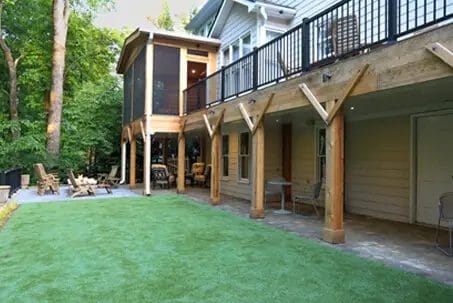
Aluminum Railing
If you are looking for something classic and modern, then Aluminum Railing is a perfect porch railing alternative with clean lines and a simple style. It is built of aluminium, which provides longevity and resilience to the elements. Aluminum Railing ensures safety and stability while providing a slim and unencumbered perspective.
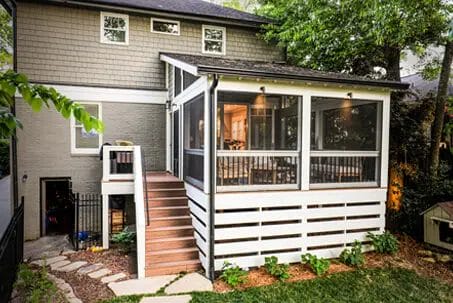
Wooden Railing with Metal Balusters
Like the wooden railing, this railing mixes metal balusters with a pine railing. In contrast to the painted variety, the metal balusters railing are left in their natural metal finish rather than painted. Depending on the design preferences, this produces a more rustic or industrial fee, offers increased visibility, and can be complemented by a distinct drink rail.
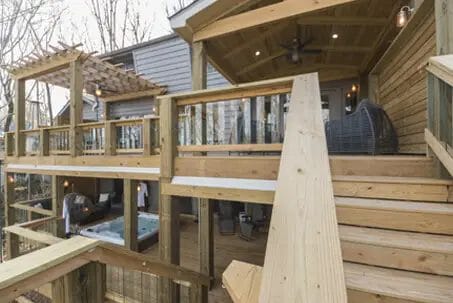
Glass
Glass porch railings are a stylish and modern option. They have tempered or laminated glass panels that enable natural light to pass through while providing an unobstructed vision. Glass railings are popular because of their sleek and clear look, which adds a touch of elegance to any porch setting.
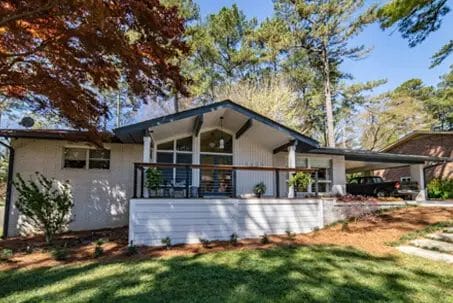
Cable Railing
Cable railing is made up of stainless steel cables stretched horizontally between posts, giving it a sleek and modern appearance. The cables provide a clear view and need little maintenance. They give a modern look while assuring porch safety and security by avoiding falls or mishaps.
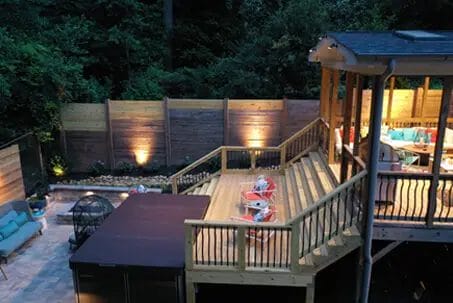
Wooden Railing
This type of porch railing features wood railing fora traditional and natural appearance. It is a popular option for individuals looking for a conventional yet beautiful railing.
Consult
Design
Build
Satisfy
Our Process
Q: How long does it take to build a porch?
A: All porches require a surface. If built on the ground, we use hardscape patios; if elevated, we use decks. Patios take 2–3 days to build, and decks take 5–7 days in ideal conditions. The porch structure itself varies in complexity. Simple porches take about 2 weeks. Large, premium porches with fireplaces, outdoor kitchens, and detailed finishes can take around 3 months to complete.
Q: Do I have to permit a porch?
A: We strongly advise permitting all porches. There are many structural and safety factors involved in roofed structures. Permitting ensures your porch meets all local building codes and long-term safety standards.
Q: Can you enclose an existing porch?
A: Yes, existing porches can be upgraded into screened-in or all-season rooms.
Q: Do porches add value to my home?
A: Absolutely. Porches increase curb appeal and offer functional outdoor living space. When built to code with upgraded materials, porches become many homeowners’ favorite spot to relax. They create a unique connection to the outdoors—a natural extension of your living space.
Q: Can you add a porch to an existing deck?
A: Not without a structural evaluation. Deck framing and foundations are typically designed to support people, not the added weight of a roof. We recommend consulting an engineer to ensure the structure can safely handle the load.
Q: Do I need a fan in my porch?
A: Yes, especially if you live in a warm climate like Atlanta. A ceiling fan creates airflow, keeps the space cooler, and helps deter mosquitoes.
Q: What is the smallest porch I can build?
A: A 12×12 ft porch is the smallest practical size, but we recommend a minimum of 12×18 ft. Keep in mind that each door entering or exiting the porch requires a 4-ft walking zone, which reduces usable space.
Q: Should I have a door from my house to the porch?
A: Yes, if possible. A door from the home allows seamless access to the porch while protecting your guests from rain and sun as they step outside.
Q: Should I build a deck next to my screened porch?
A: Yes. A deck adjacent to a screened porch is perfect for grilling and outdoor cooking. Just make sure the deck is at least 6 ft wide. If roofed, the area should remain open-air so smoke can ventilate—unless you install a proper hood.
Q: What heating elements are most effective in a porch?
A: We recommend gas fireplaces for ease and comfort, as well as wall-mounted infrared heaters. Infrared heaters warm surfaces rather than the air and are safer than gas units, which require regular maintenance. Properly placed infrared heaters keep a porch warm even on windy nights and take up minimal space.
Q: Can I add a Hot Tub to my deck?
A: Possibly, but not without assistance from a Structural Engineer. Hot Tubs weigh a lot, and the water that fills them weighs even more. It is imperative that during our design process we consult with a licensed engineer to ensure that your deck can handle a Hot Tub. If modifications are needed, OMLS can make recommendations to accommodate this.