The Power of Outdoor Lighting: Highlighting Fall Foliage & Features
Fall transforms Atlanta landscapes in subtle but powerful ways. Light softens, temperatures cool, and outdoor spaces feel calmer and more intentional. While many homeowners focus on daytime color during autumn, the true magic of fall landscapes often emerges after sunset. Thoughtfully designed outdoor lighting reveals depth, texture, and warmth that daylight alone can’t provide.
At Outdoor Makeover, our mission—“Driven by passion, we seamlessly craft lifestyles and stories for our clients and their families”—guides us to design outdoor environments that remain engaging well into the evening. Landscape lighting is not just about visibility. It’s about storytelling—highlighting the features that matter most and extending the enjoyment of outdoor living during one of Atlanta’s most beautiful seasons.
In fall, lighting doesn’t just illuminate the landscape. It defines how it’s experienced.
Why Fall Is the Season When Lighting Matters Most
As days shorten, outdoor spaces rely more heavily on lighting to remain usable and inviting. In fall, evenings arrive earlier, yet conditions are ideal for outdoor living. Without intentional lighting, these hours are often lost.
Fall landscapes also change visually. Leaves thin, textures emerge, and architectural elements become more prominent. Lighting brings focus to these details, allowing the landscape to feel composed and purposeful rather than fading into darkness.
Well-designed lighting ensures fall feels like a continuation of outdoor living—not the beginning of retreat indoors.
Lighting as a Design Tool, Not an Add-On
One of the most common mistakes homeowners make is treating lighting as an accessory rather than a core design element. In luxury landscapes, lighting is planned alongside hardscapes, plantings, and outdoor rooms.
Outdoor Makeover integrates lighting into the overall landscape design so it:
- Reinforces architectural lines
- Enhances natural forms
- Supports how spaces are actually used
When lighting is considered early, it feels embedded in the environment—not layered on later.
Highlighting Fall Foliage Without Overpowering It
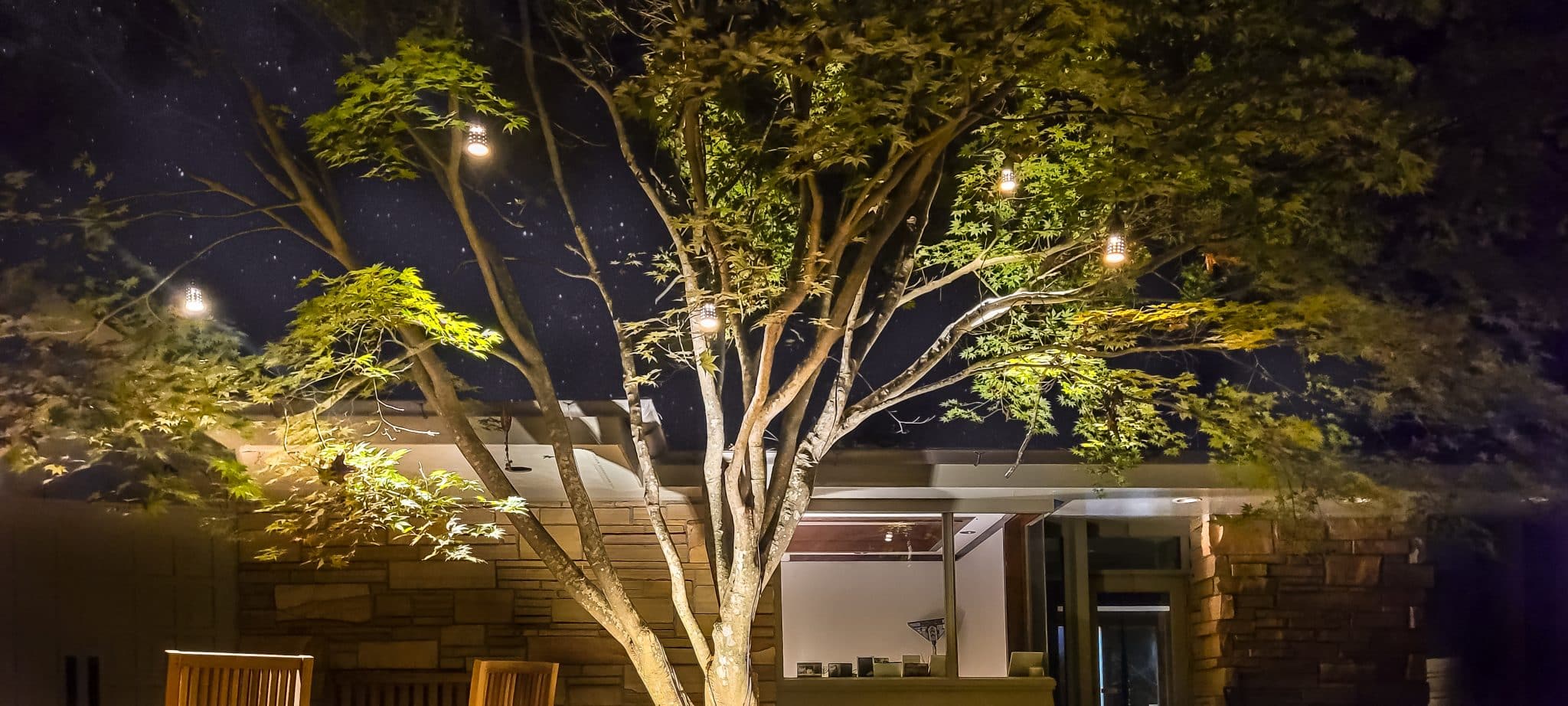
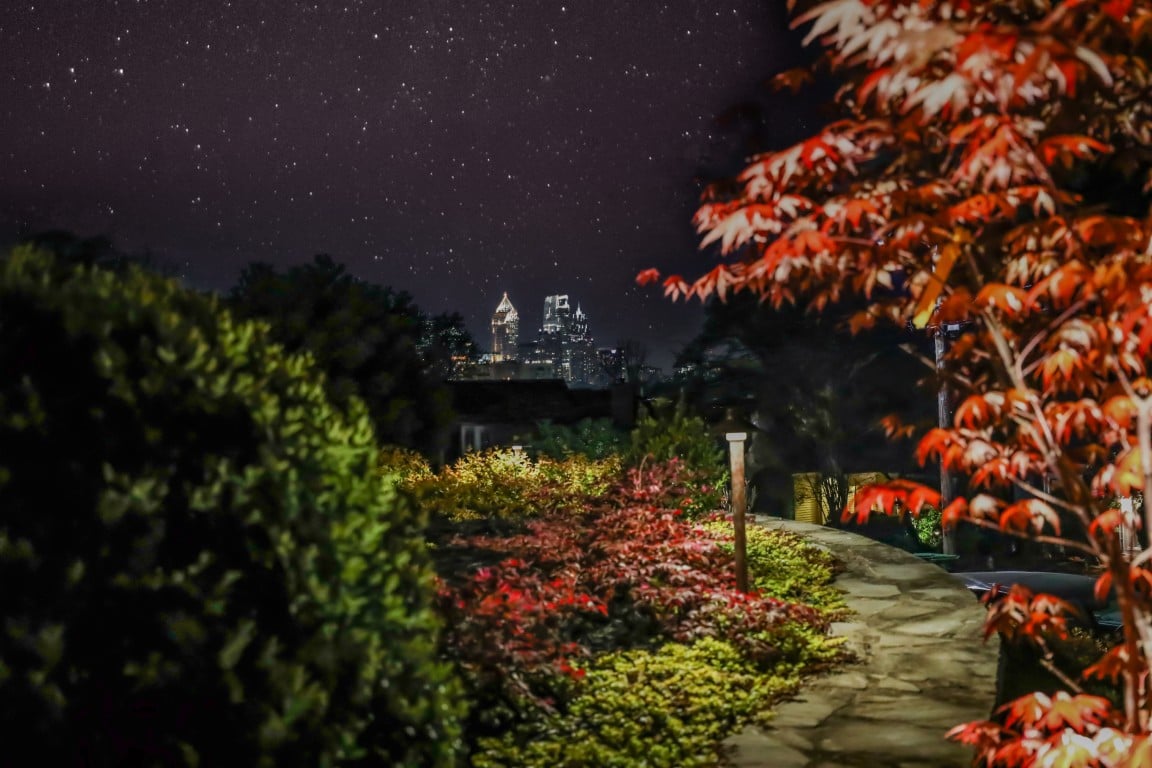
Fall foliage is inherently beautiful, but lighting should enhance it—not compete with it. Subtle uplighting brings warmth and dimension to trees and layered plantings, revealing structure and movement rather than flooding the space with brightness.
Key principles for fall foliage lighting include:
- Grazing light across branches to reveal texture
- Using warm tones to complement autumn color
- Avoiding harsh angles that flatten natural form
The result is a landscape that feels alive and dimensional after dark.
Revealing Structure as Growth Softens
As summer growth slows, the underlying structure of the landscape becomes more visible. Hardscapes, retaining walls, pathways, and architectural features take on greater visual importance in fall.
Landscape lighting helps define these elements by:
- Creating contrast between levels
- Emphasizing transitions between outdoor rooms
- Adding depth to stone and textured surfaces
Lighting reveals the craftsmanship behind the design—something that’s often missed during brighter seasons.
Tree Accent Lighting as a Focal Strategy
Trees often become the stars of fall landscapes, not only for color, but for form. Accent lighting allows mature trees to anchor the nighttime landscape, creating vertical interest and visual continuity.
Properly placed tree lighting:
- Adds scale and balance
- Draws the eye upward
- Creates a sense of enclosure and warmth
Outdoor Makeover designs tree lighting that feels natural and restrained, allowing trees to glow rather than glare.
Path & Circulation Lighting for Comfort and Safety
As evenings grow darker earlier, safe movement through the landscape becomes essential. Path lighting plays a dual role in fall—guiding movement while contributing to ambiance.
Rather than harsh illumination, professional path lighting provides:
- Gentle visual cues
- Clear definition of walkways and steps
- Seamless transitions between outdoor areas
This approach ensures outdoor spaces remain comfortable and accessible without disrupting the overall mood.
Creating Warmth as Temperatures Cool
Fall lighting should feel warmer than summer lighting. Cooler temperatures invite a more intimate atmosphere, and lighting helps reinforce that emotional shift.
Warm-toned lighting:
- Makes outdoor spaces feel inviting
- Softens stone and architectural features
- Encourages lingering rather than passing through
Outdoor Makeover carefully calibrates lighting temperature and intensity to match the season’s tone, ensuring spaces feel cozy rather than stark.
Lighting Outdoor Living Areas for Extended Use
Fall is when outdoor living areas often see increased use. Dining spaces, seating areas, and gathering zones benefit from lighting that balances function with atmosphere.
Effective lighting in these areas:
- Supports conversation without glare
- Defines the space without enclosing it
- Adapts naturally from early evening to night
Lighting should support how people gather—not dictate where they sit.
Layered Lighting Creates Depth and Sophistication
The most successful fall lighting designs rely on layering rather than brightness. Each layer serves a purpose, contributing to a cohesive nighttime environment.
A layered lighting approach typically includes:
- Ambient lighting for overall mood
- Accent lighting for focal points
- Task lighting where function requires it
When layered correctly, lighting feels effortless and refined—never overwhelming.
Integrating Lighting With Hardscape and Architecture
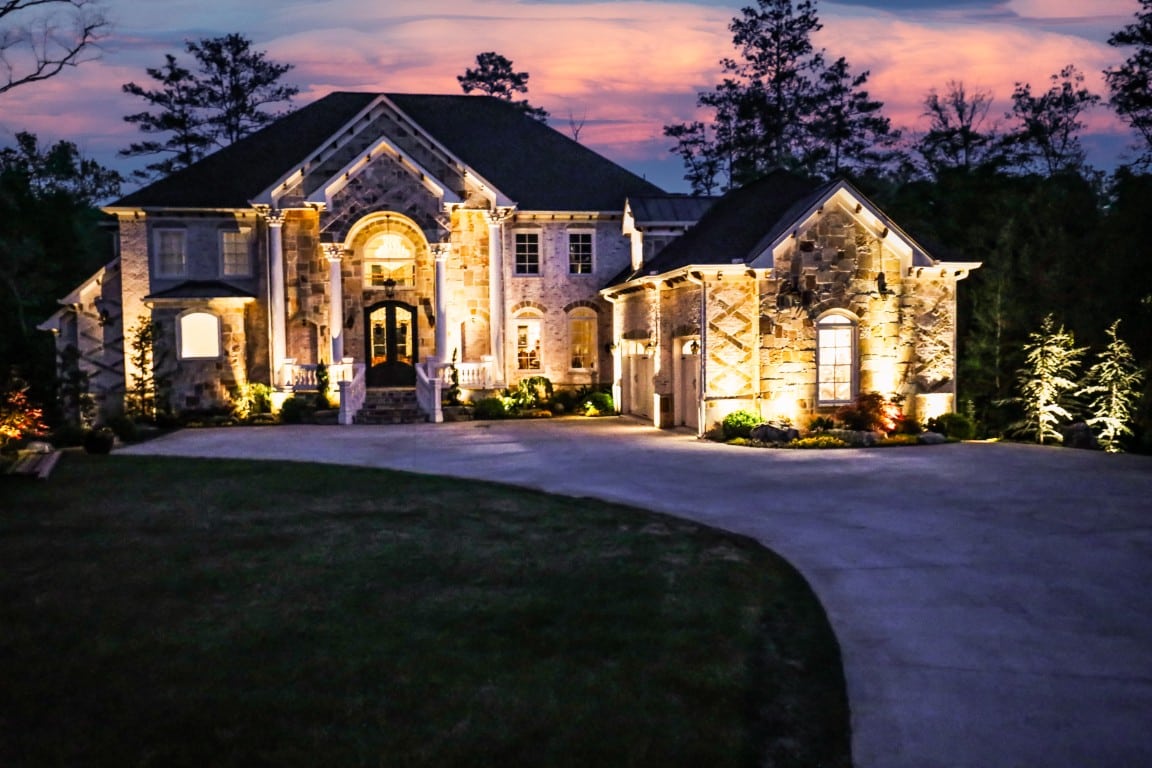
Lighting is most effective when it’s integrated into the landscape’s permanent features. Hardscapes and architectural elements provide natural opportunities for subtle illumination.
By embedding lighting into walls, steps, and structural features, Outdoor Makeover ensures:
- Clean daytime aesthetics
- Consistent nighttime performance
- Reduced visual clutter
This integration reinforces the idea that lighting is part of the architecture—not an accessory.
Supporting Seasonal Transitions With Smart Systems
As fall progresses into winter, lighting needs continue to evolve. Smart lighting systems allow homeowners to adjust timing, intensity, and zones effortlessly as conditions change.
Outdoor Makeover designs lighting systems that:
- Adapt to shorter days automatically
- Support different usage patterns
- Remain efficient and reliable
This flexibility ensures outdoor spaces stay usable and inviting long after fall arrives.
Avoiding Overlighting in Fall Landscapes
Fall landscapes thrive on contrast. Too much light erases shadow, texture, and depth—undermining the very qualities that make autumn appealing.
Professional restraint is key. Darkness is treated as a design element, allowing illuminated features to stand out naturally. This balance creates drama without excess.
In luxury design, what you don’t light matters just as much as what you do.
Longevity and Performance Matter
Outdoor lighting must perform through changing conditions—cooler nights, falling leaves, and shifting moisture levels. Professional installation ensures durability, consistency, and long-term reliability.
Outdoor Makeover’s one-year support guarantee and extensive aftercare services ensure lighting systems continue to function as intended while landscapes mature and seasons change.
Why Professional Lighting Design Makes the Difference
Landscape lighting requires more than selecting fixtures. It demands an understanding of scale, proportion, materials, and human experience.
Outdoor Makeover’s large-scale project capability allows us to design lighting that aligns seamlessly with the landscape, architecture, and lifestyle of the home. This holistic approach ensures lighting enhances—not competes with—the outdoor environment.
Fall Evenings Designed to Be Enjoyed
Fall is not a closing chapter for outdoor living—it’s a refinement. Lighting brings clarity, warmth, and intention to outdoor spaces during this transition.
At Outdoor Makeover, we believe landscape lighting is one of the most powerful tools in outdoor design. By highlighting fall foliage, architectural features, and gathering spaces, we create environments that invite families to stay outside longer, connect more deeply, and experience their landscapes in a new way.
When lighting is designed with purpose, fall evenings don’t fade early—they shine.