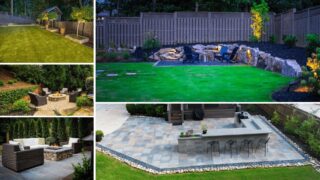
The Role of Outdoor Textures: Wood, Stone, and Metal in Design
Great outdoor design is felt as much as it’s seen. Long before a space is evaluated for color or layout, it’s experienced through texture—the warmth of wood underhand, the permanence of stone underfoot, the precision of metal framing a view. In refined outdoor environments, texture is what gives a space depth, balance, and emotional resonance.
In luxury landscapes, texture is not decorative. It’s architectural. Wood, stone, and metal each play a distinct role, and when composed thoughtfully, they elevate outdoor living beyond aesthetics into experience. Texture is what transforms an outdoor space from attractive to unforgettable.
Why Texture Matters More Than Trend
Trends come and go, but texture endures. While colors shift and styles evolve, the tactile qualities of materials continue to define how a space feels and functions over time.
In outdoor design, texture provides contrast, balance, and scale. It breaks visual monotony and creates rhythm throughout the landscape. More importantly, it helps spaces feel human—inviting touch, movement, and interaction.
Designs that rely too heavily on a single material often feel flat or one-dimensional. It’s the interplay between textures that gives outdoor environments their richness and longevity.

Stone: The Foundation of Permanence
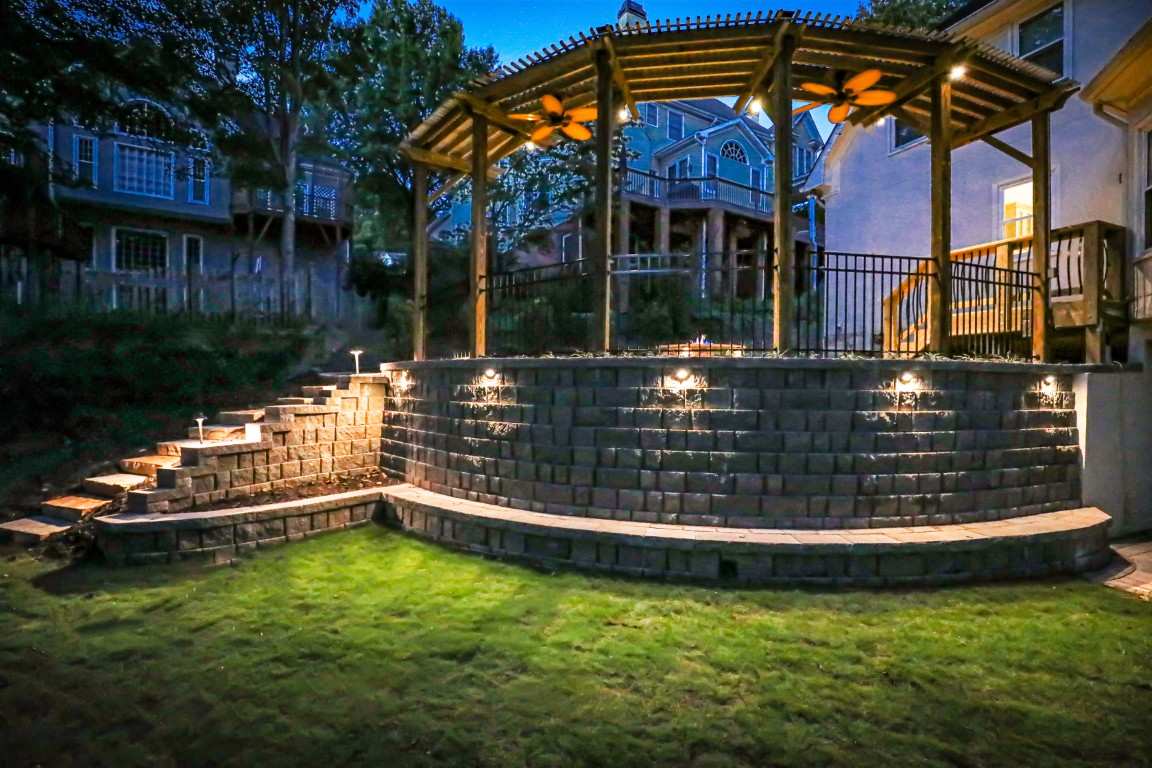
Stone is the anchor of outdoor design. It conveys stability, longevity, and a sense of place. Whether used in patios, walkways, retaining walls, or architectural features, stone establishes the foundation upon which the rest of the landscape is built.
In luxury outdoor environments, stone provides visual weight and grounding. It defines circulation, frames outdoor rooms, and supports the flow between indoor and outdoor living. Its natural variation adds depth without overwhelming the design, allowing it to remain relevant across seasons and styles.
At Outdoor Makeover, stone is selected and placed with intention—not simply for durability, but for how it shapes movement and experience throughout the space.
Wood: Warmth, Comfort, and Human Scale
Where stone grounds a space, wood softens it. Wood introduces warmth, approachability, and a sense of comfort that makes outdoor environments feel lived-in rather than formal.
In outdoor design, wood often appears in structures, ceilings, screens, and transitional elements. It bridges the gap between architecture and landscape, helping outdoor spaces feel connected to the home itself. Wood’s organic texture contrasts beautifully with stone’s solidity, creating balance and visual relief.
When used thoughtfully, wood adds intimacy without fragility, reinforcing the idea that luxury can feel welcoming—not rigid.
Metal: Precision and Modern Contrast
Metal plays a quieter but equally important role in outdoor design. It introduces precision, structure, and refinement. Where stone is heavy and wood is warm, metal provides clarity.
Metal elements often define edges, frames, and transitions. They sharpen lines, reinforce geometry, and offer contrast that keeps designs from feeling too rustic or overly soft. In modern landscapes, metal acts as a visual punctuation—clean, controlled, and intentional.
At Outdoor Makeover, metal is never used excessively. Its power lies in restraint, allowing it to elevate the surrounding materials without competing for attention.

Balance Is the Design Language
Successful outdoor environments are not about showcasing materials individually—they’re about balance. Stone, wood, and metal each serve a purpose, and their proportions determine how the space feels.
Too much stone can feel cold or imposing. Too much wood can feel informal or temporary. Too much metal can feel stark. Professional design ensures that these textures are layered in a way that feels natural, cohesive, and enduring.
This balance is what allows outdoor spaces to appeal to both the eye and the senses simultaneously.
Texture as a Tool for Defining Outdoor Rooms
Outdoor spaces are often described as “rooms,” and texture is one of the most effective tools for defining them. Changes in material underfoot, along walls, or overhead signal transitions without the need for physical barriers.
A stone patio may transition into a wood-accented living area, subtly indicating a shift from circulation to relaxation. Metal details might frame a dining space or fire feature, reinforcing its role as a focal point.
These material cues help outdoor spaces function intuitively, guiding movement and use without signage or explanation.
How Texture Influences Comfort
Texture isn’t just visual—it’s experiential. The way materials absorb heat, respond to moisture, or feel underfoot directly affects comfort.
Stone offers thermal mass and durability but must be balanced with shade and airflow. Wood remains comfortable to the touch and softens hard surfaces. Metal, when used thoughtfully, provides structure without direct contact in high-use areas.
Professional design considers these sensory factors, ensuring that materials enhance comfort rather than compromise it—especially in Atlanta’s demanding climate.

Texture and Light: An Essential Relationship
Texture comes alive through light. Natural and artificial lighting interact with materials differently, revealing depth, shadow, and variation.
Stone surfaces gain richness as light grazes across them. Wood reveals grain and warmth in softer illumination. Metal reflects and defines light, adding subtle highlights and contrast.
Outdoor Makeover designs textures with lighting in mind, ensuring that materials perform visually both during the day and after sunset. This layered experience is what gives outdoor spaces their quiet sophistication.
Seasonal Performance of Outdoor Materials
In Atlanta, materials must perform across heat, humidity, rain, and seasonal transitions. Texture plays a role in how materials age and adapt.
Stone weathers gradually, often becoming more character-rich over time. Wood develops patina that adds depth when properly protected and placed. Metal maintains crispness and structure when selected appropriately.
Designing with texture means designing for time—not just for installation day.
Avoiding the “Material Showcase” Mistake
One of the most common missteps in outdoor design is treating materials as features rather than components. When every surface competes for attention, the space loses cohesion.
Luxury outdoor environments feel composed because materials are allowed to support the design rather than dominate it. Texture should enhance the experience subtly, not announce itself aggressively.
Professional restraint is what separates refined design from visual noise.
Texture as an Extension of the Home
The most successful outdoor spaces feel connected to the home—not separate from it. Texture plays a key role in that continuity.
When outdoor materials echo interior finishes in tone, scale, or feel, the transition feels seamless. This connection reinforces the idea that outdoor living is not an add-on, but an extension of daily life.
Outdoor Makeover designs with this continuity in mind, ensuring outdoor textures feel intentional and integrated.
Long-Term Care and Texture Preservation
Texture-driven design requires thoughtful aftercare. Different materials age differently, and professional oversight ensures they maintain their intended appearance and performance.
Outdoor Makeover’s one-year support guarantee and extensive aftercare services protect these materials as they mature. This ensures that stone remains stable, wood retains warmth, and metal maintains its precision over time.
Preserving texture is preserving design intent.
Why Professional Design Makes Texture Work
Understanding how materials interact—visually, structurally, and experientially—requires expertise. Texture isn’t intuitive; it’s orchestrated.
Outdoor Makeover’s large-scale project capability allows us to design outdoor environments where wood, stone, and metal are composed with purpose. Our approach ensures materials enhance one another rather than compete, creating landscapes that feel balanced, timeless, and deeply livable.
Texture Is the Quiet Signature of Luxury
Luxury outdoor spaces don’t rely on excess. They rely on nuance. Texture is one of the most powerful yet understated tools in outdoor design, shaping how spaces feel without drawing attention to itself.
At Outdoor Makeover, we believe texture tells the story of a space—how it’s used, how it ages, and how it supports everyday life. Through thoughtful material selection, balanced composition, and professional care, we create outdoor environments where wood, stone, and metal come together to form spaces that feel grounded, refined, and unmistakably complete.