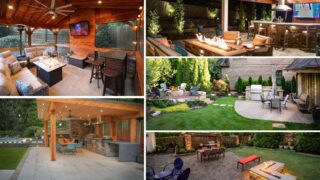
Designing Outdoor Spaces That Transition from Summer to Fall
The best outdoor spaces aren’t designed for a single season—they’re designed for continuity. In Atlanta, where summers are long and falls remain comfortably warm, the transition between seasons presents a unique opportunity. Rather than letting outdoor spaces feel tired or outdated as summer fades, thoughtful design allows them to evolve naturally into fall without disruption.
A seamless seasonal transition doesn’t happen by accident. It’s the result of intentional planning, material selection, and professional oversight that anticipates how outdoor environments change over time. At Outdoor Makeover, our mission—“Driven by passion, we seamlessly craft lifestyles and stories for our clients and their families”—means we design outdoor spaces that remain functional, inviting, and visually refined well beyond peak summer.
When outdoor spaces transition well, homeowners don’t pause outdoor living—they simply experience it differently.
Why Seasonal Transitions Matter in Outdoor Design
Many outdoor spaces are built with summer in mind. Open layouts, bright materials, and warm-weather use often dominate the design conversation. But when fall arrives, those same spaces can feel unfinished or underutilized if they weren’t designed to adapt.
In Atlanta, fall is not an off-season—it’s an extension of outdoor living. Cooler evenings, lower humidity, and lingering daylight make this one of the most enjoyable times to be outside. Designing for transition ensures patios, outdoor living rooms, and gathering areas continue to feel purposeful and welcoming as conditions shift.
A space that transitions well maintains momentum instead of starting over.
Design Continuity Starts With Structure
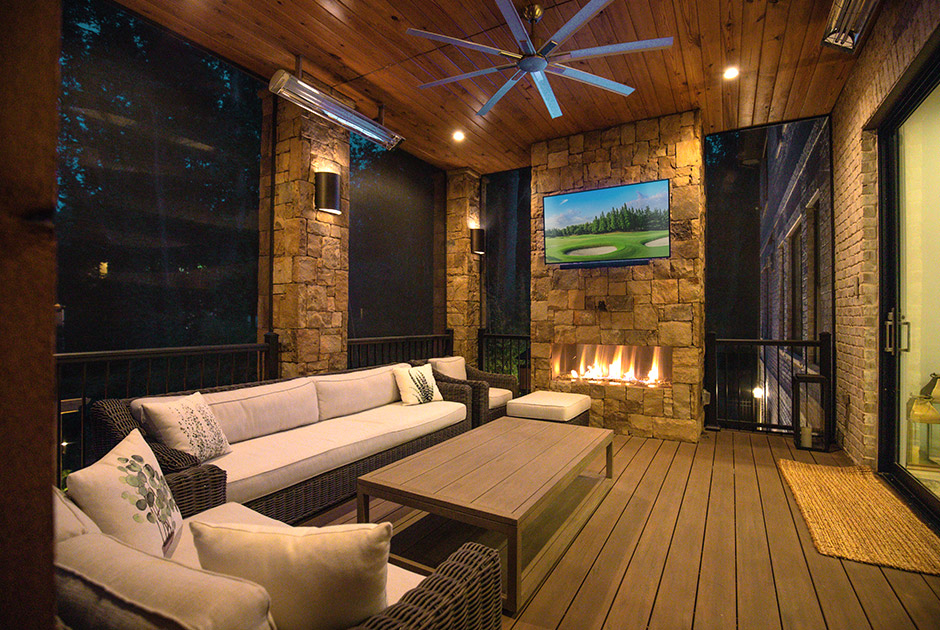
Seasonal flexibility begins with permanent design elements. Hardscapes, outdoor structures, and layout decisions form the backbone of spaces that perform year-round.
When patios, walkways, retaining walls, and outdoor rooms are designed with proportion and flow in mind, they remain relevant regardless of season. These elements don’t rely on color or temporary accents to feel complete—they anchor the landscape visually and functionally through change.
This structural continuity is what allows summer energy to soften into fall comfort without disruption.
Using Materials That Age Gracefully Across Seasons
Material selection plays a critical role in how outdoor spaces transition visually. Some materials look their best only under bright summer light, while others deepen and improve as light softens in fall.
Outdoor Makeover designs with materials that hold character year-round. Natural stone, textured pavers, and architectural finishes respond beautifully to changing light and temperature, allowing the space to feel intentional in every season rather than overly seasonal.
When materials are chosen with longevity in mind, seasonal shifts enhance the design instead of exposing weaknesses.
Adjusting Outdoor Living Zones for Fall Use
The way outdoor spaces are used naturally changes as summer gives way to fall. Dining areas may become more prominent, lounging zones feel cozier, and evening use increases as temperatures cool.
Rather than redesigning these spaces each season, professional planning anticipates this evolution. Outdoor living zones are arranged to support both open summer movement and more intimate fall gatherings. Furniture placement, circulation paths, and lighting all play roles in maintaining comfort and usability as conditions change.
A well-designed space adapts without needing to be reconfigured.
Shade, Light, and Airflow in Seasonal Balance
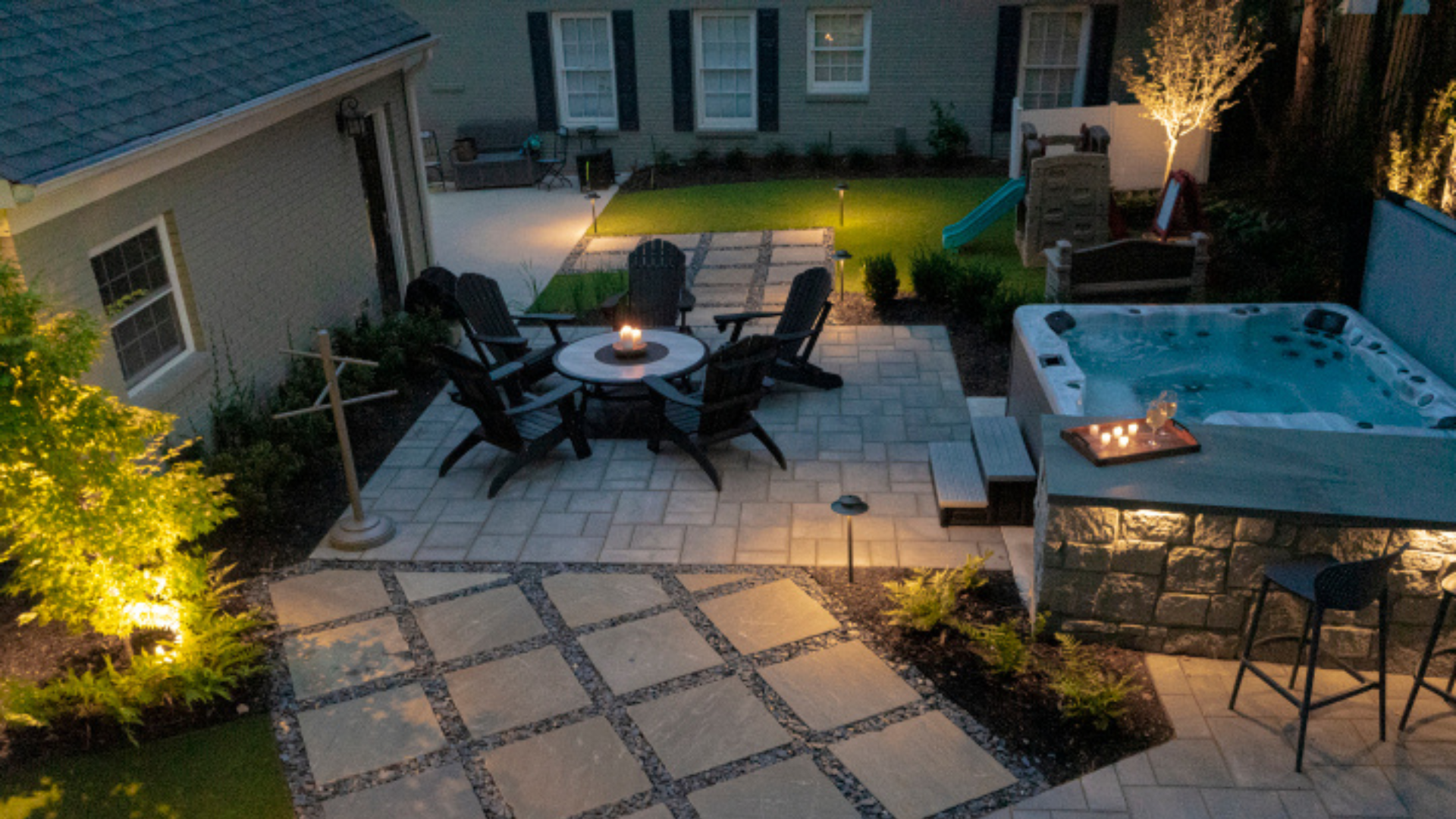
Elements that provide relief in summer—such as shade structures and airflow—continue to influence comfort in fall, just in different ways. As the sun lowers and temperatures moderate, shade becomes less about protection and more about framing the space.
Designing these elements with flexibility ensures they enhance comfort rather than limit it. Structures that feel open and architectural maintain relevance in fall, allowing sunlight to filter through while still defining outdoor rooms.
This balance keeps spaces usable and visually cohesive throughout the transition.
Supporting the Landscape Through Seasonal Change
Plantings often carry the visual weight of seasonal transition. As summer growth slows and temperatures ease, landscapes can either feel refreshed or neglected depending on how they’re supported.
Outdoor Makeover approaches seasonal transitions with professional evaluation rather than reactive changes. Adjustments to irrigation, selective refinement of planting areas, and restoring visual clarity help landscapes move confidently into fall without appearing tired or overworked.
The goal is continuity—not reinvention.
Lighting Becomes More Important as Days Shorten
As daylight hours begin to shorten, lighting takes on a more prominent role in outdoor design. In fall, lighting isn’t just functional—it becomes a defining element of ambiance.
Professionally designed lighting highlights architectural features, guides movement, and creates warmth as evenings cool. When lighting is already integrated into the design, fall transitions feel effortless rather than forced.
This ensures outdoor spaces remain inviting long after sunset.
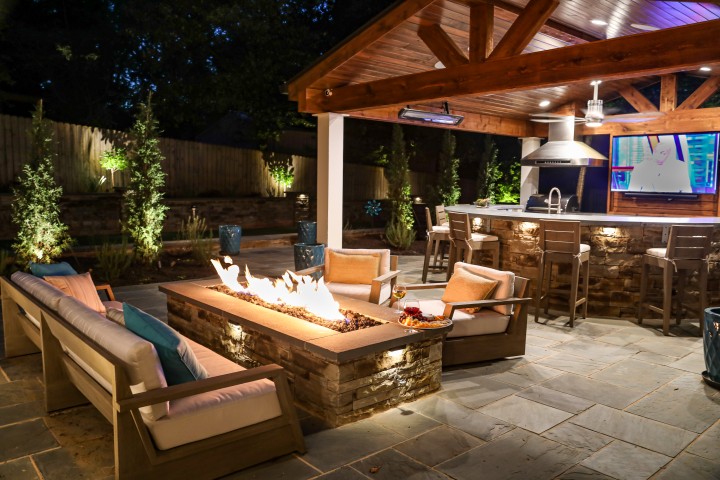
Fire Features & Warmth as Transitional Anchors
While not exclusive to fall, features that introduce warmth naturally gain importance as temperatures cool. These elements help bridge the gap between seasons, allowing outdoor living to continue comfortably.
When fire features are integrated thoughtfully into the original design, they don’t feel like seasonal additions—they feel like natural gathering points that become more prominent as conditions change.
This reinforces the idea that the space was designed for year-round enjoyment.
Hardscape Performance During Seasonal Shifts
Seasonal transitions also place new demands on hardscapes. Changes in temperature, moisture, and usage patterns can reveal issues that went unnoticed during summer.
Outdoor Makeover evaluates hardscape performance as part of seasonal planning, ensuring joints, drainage, and surfaces are prepared for cooler weather and continued use. Addressing these details during transition periods helps protect long-term performance and appearance.
A space that transitions well is one that’s structurally ready.
Designing for Fall Without Over-Seasonalizing
One of the most common mistakes homeowners make is leaning too heavily into seasonal themes. Overly seasonal décor can make outdoor spaces feel temporary or disconnected from the home’s architecture.
Professional design favors subtle transitions—warm textures, refined lighting, and balanced proportions—over overt seasonal statements. This allows outdoor spaces to feel appropriate in fall without losing their year-round identity.
Timeless design supports seasonal change without being defined by it.
The Value of Professional Oversight During Transitions
Seasonal transitions are when landscapes benefit most from professional attention. Without expert evaluation, small issues can be missed, and opportunities to enhance usability can be overlooked.
Outdoor Makeover’s large-scale project capability allows us to assess outdoor environments holistically, ensuring every element—from layout to materials to systems—continues to support how the space is used as seasons change.
This proactive approach eliminates guesswork and protects the integrity of the design.
One-Year Support & Long-Term Aftercare
Every Outdoor Makeover project is backed by a one-year support guarantee, ensuring that landscapes are monitored through critical seasonal transitions. Beyond that, our extensive aftercare services allow outdoor spaces to evolve confidently year after year.
Seasonal transitions become moments of refinement rather than stress, reinforcing the value of professional partnership.
Designing for How Families Actually Live Outdoors
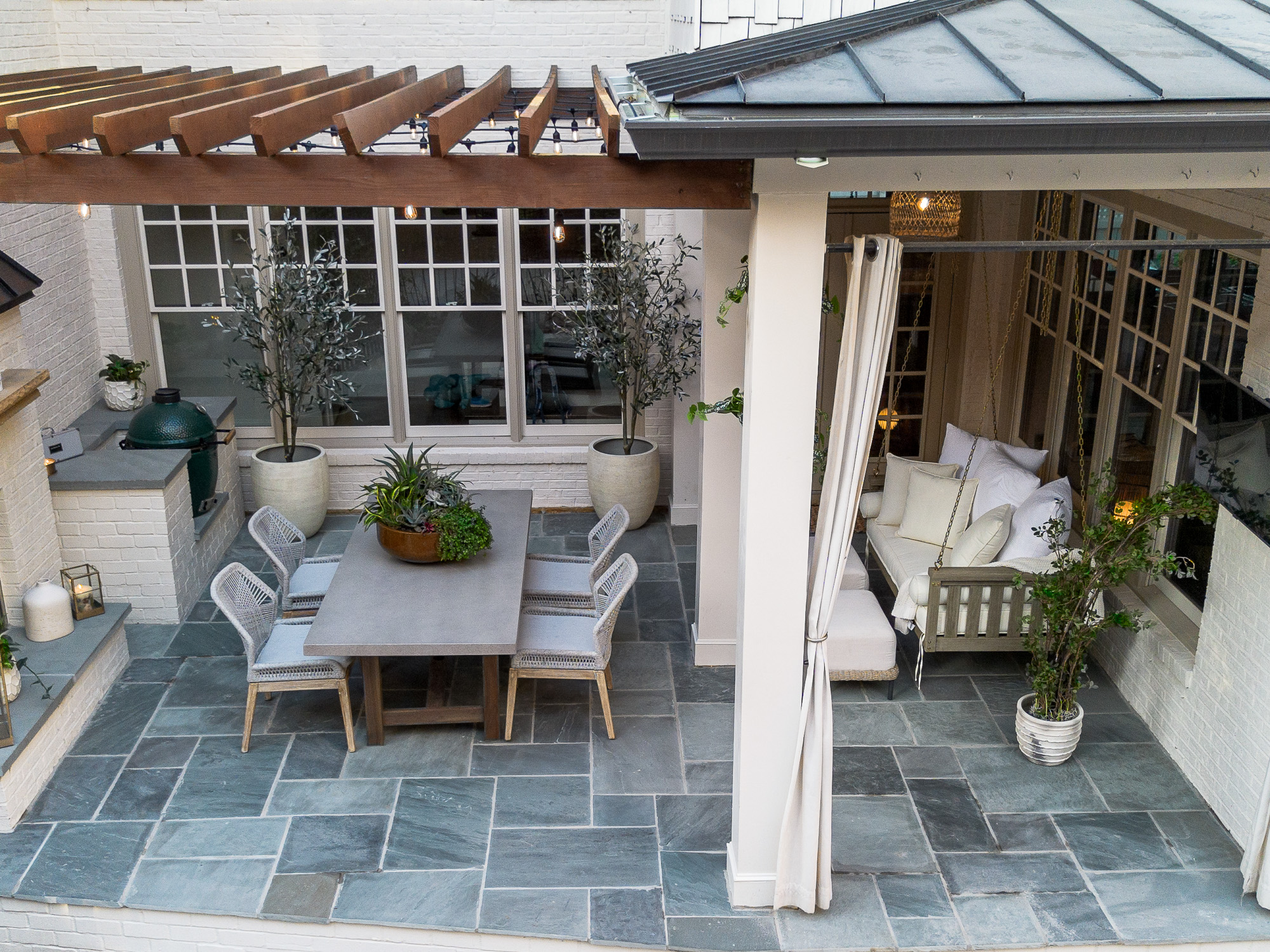
Ultimately, seasonal transitions are about lifestyle. Families don’t stop using their outdoor spaces when summer ends—they simply use them differently.
Designing with transition in mind ensures outdoor environments continue to support connection, relaxation, and everyday living. When spaces feel natural and comfortable across seasons, outdoor living becomes a constant rather than a phase.
Outdoor Living That Moves Seamlessly Through the Year
Outdoor spaces that transition well don’t announce the change of seasons—they embrace it. Through thoughtful design, durable materials, and professional care, summer energy softens into fall comfort without losing momentum.
At Outdoor Makeover, we design outdoor environments that evolve alongside the families who use them. By anticipating seasonal shifts and planning with intention, we create spaces that remain beautiful, functional, and inviting from summer through fall—and beyond.