How to Design a Low-Water, High-Impact Landscape
Sustainability and luxury are no longer separate conversations in outdoor design. Today’s most refined landscapes are those that perform beautifully while using resources wisely. A low-water, high-impact landscape isn’t about sacrificing aesthetics—it’s about designing smarter, with intention, longevity, and environmental awareness at the forefront.
In Atlanta, where summers can be intense and water efficiency increasingly matters, homeowners are seeking outdoor spaces that look polished without demanding constant irrigation. Low-water design isn’t a trend. It’s a thoughtful approach to modern outdoor living.
Rethinking What “Low-Water” Really Means
Low-water landscapes are often misunderstood as sparse or purely utilitarian. In reality, the most successful low-water designs are layered, architectural, and visually rich.
Design-forward low-water landscapes:
- Feel intentional rather than minimal
- Emphasize structure and material quality
- Rely on smart layout instead of constant watering
Impact comes from design—not excess.
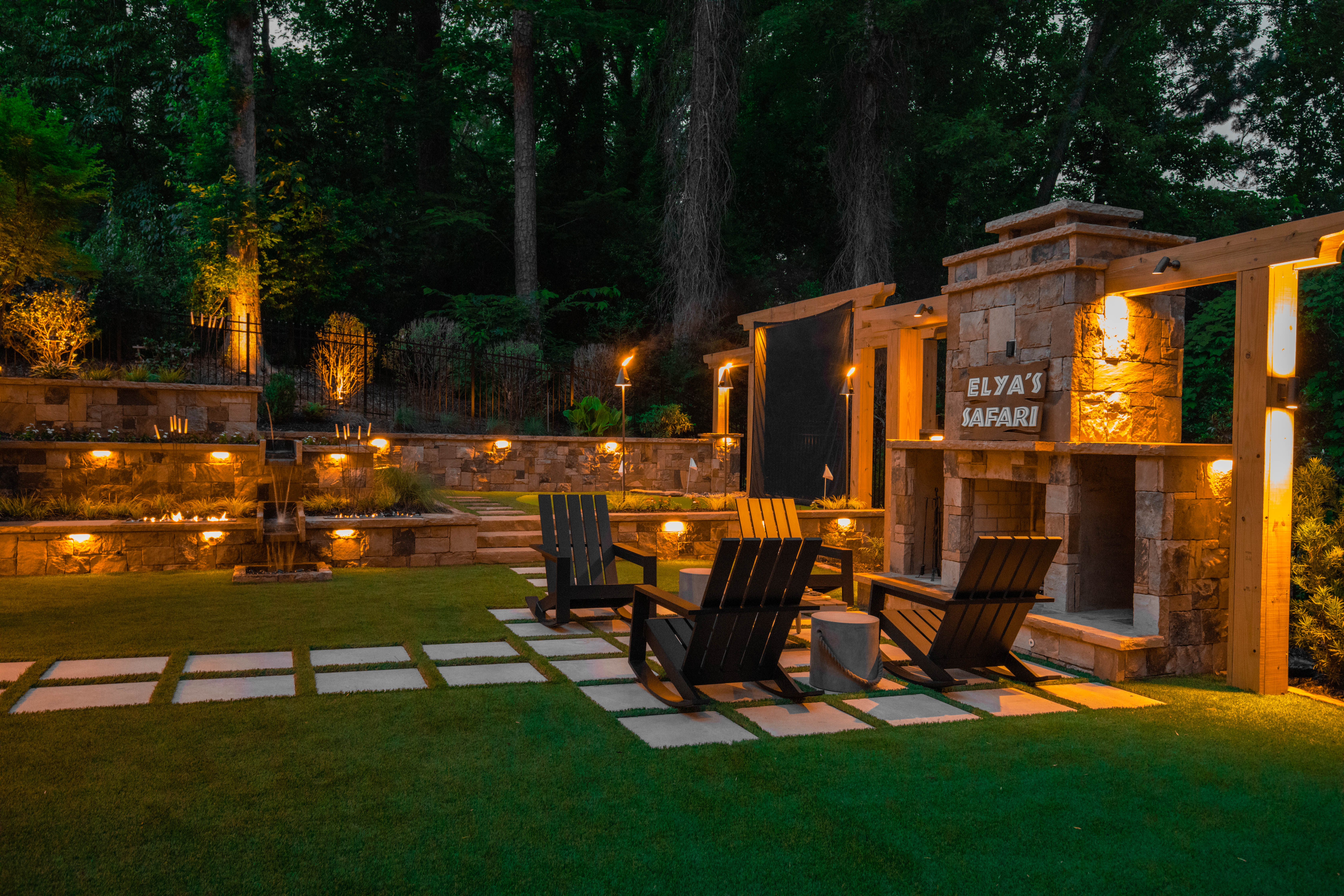
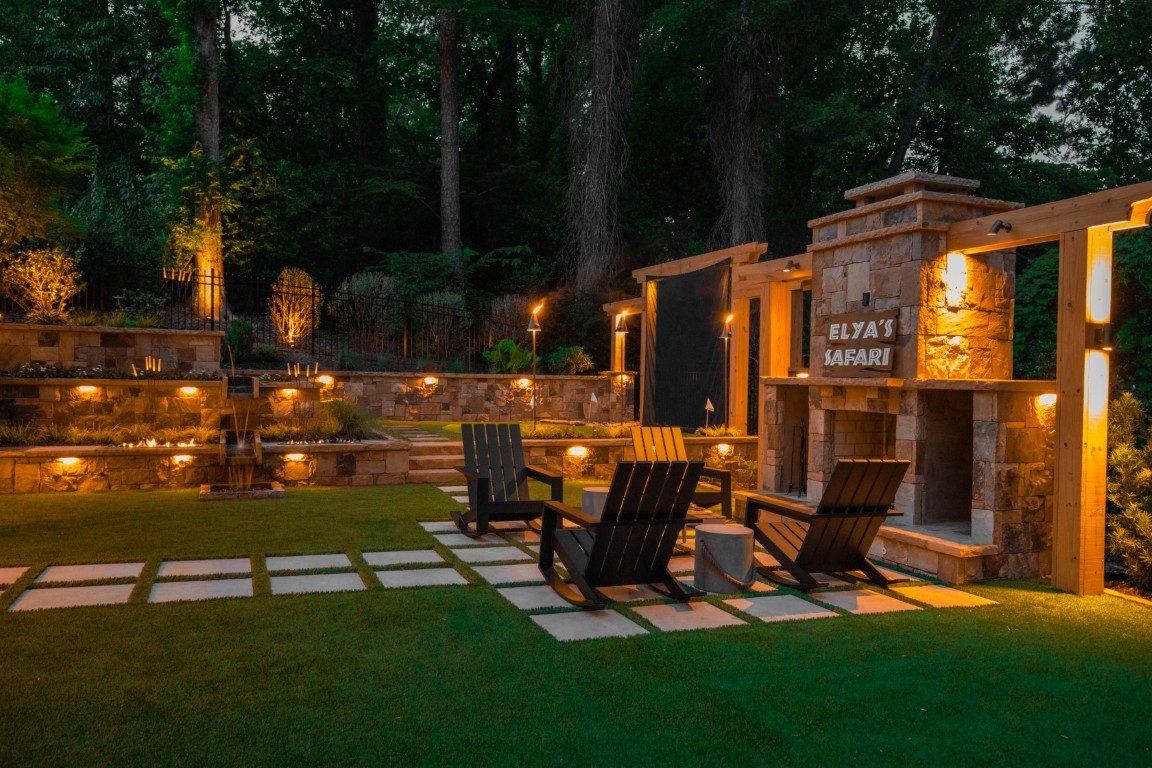
Start With a Design-Led Master Plan
Water efficiency begins with planning, not plant selection alone.
A strong design plan:
- Reduces unnecessary lawn areas
- Balances hardscape and planting strategically
- Groups plantings by similar water needs
This foundation allows the landscape to perform efficiently from day one.
Reducing Lawn Without Losing Luxury
Traditional lawns are often the most water-intensive element in a landscape.
High-impact alternatives include:
- Purposeful lawn zones limited to functional areas
- Expanded hardscape for gathering and circulation
- Structured planting that adds texture and interest
Reducing lawn doesn’t reduce appeal—it often enhances it.
Using Structure to Create Visual Impact
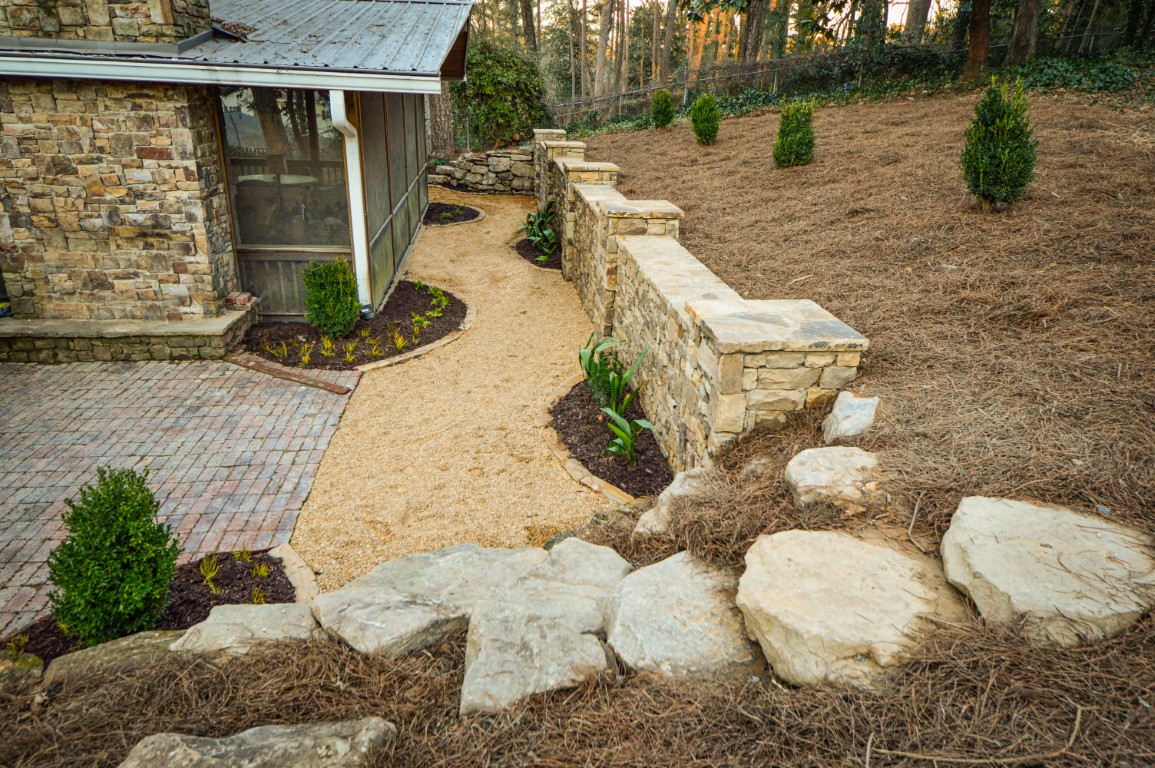
Low-water landscapes rely heavily on permanent elements for year-round presence.
High-impact structural features include:
- Architectural hardscape
- Built-in planters
- Retaining walls and terraces
- Defined outdoor rooms
These elements provide visual strength regardless of season.
Smart Planting for Atlanta’s Climate
Plant selection should support the climate—not fight it.
Design-conscious planting focuses on:
- Climate-appropriate and native species
- Grouped plantings for visual cohesion
- Plants chosen for form and texture as much as color
This creates a landscape that looks intentional year-round.
Layering Texture Instead of Relying on Water
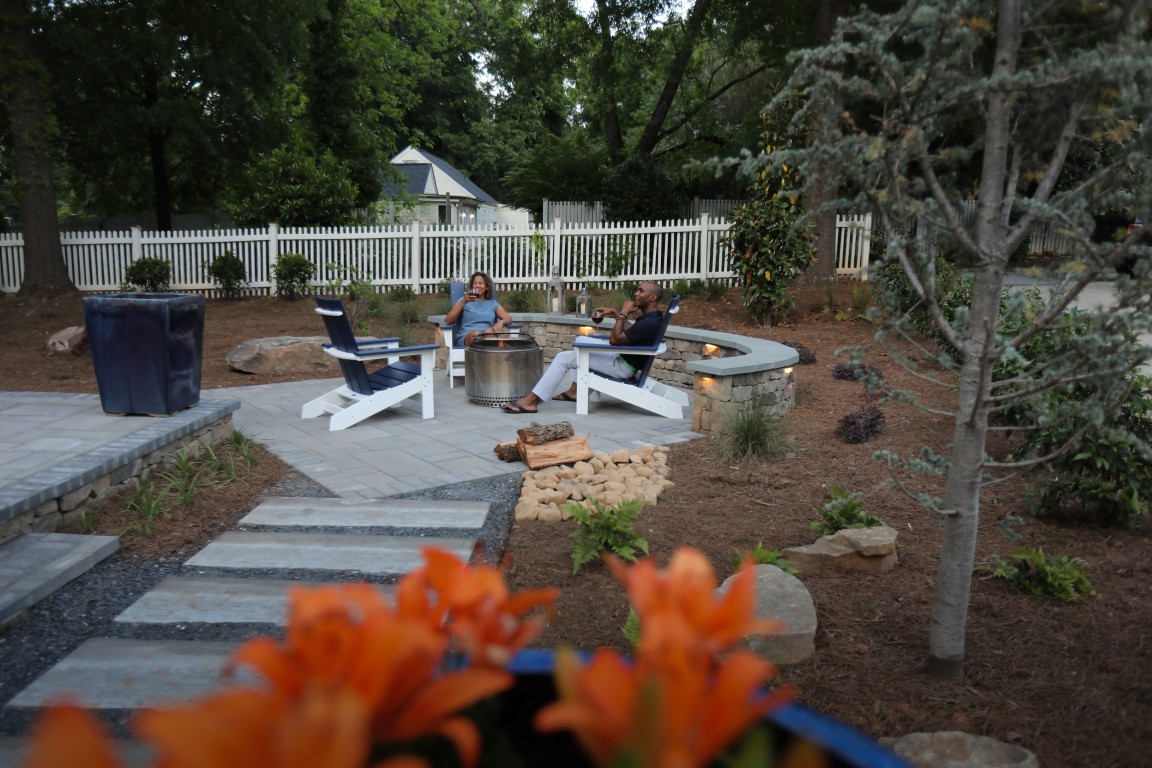
Texture is one of the most powerful tools in low-water design.
Texture-driven landscapes:
- Use contrast between materials and foliage
- Maintain interest without heavy watering
- Feel dynamic even without constant bloom
Texture adds richness without resource demand.
Mulch, Groundcover & Surface Choices Matter
Surface treatments play a major role in water efficiency.
Smart surface strategies include:
- Groundcovers that reduce evaporation
- Mulch that stabilizes soil moisture
- Permeable hardscape that supports drainage
These details quietly improve performance.
Irrigation That Works Smarter, Not Harder
Low-water landscapes still benefit from irrigation—but only when it’s efficient.
Design-led irrigation:
- Uses zoning to target specific needs
- Adjusts automatically to weather conditions
- Avoids waste through overwatering
Smart systems support healthy landscapes with less water.
Managing Drainage for Water Efficiency
Good drainage is essential in water-conscious design.
Effective drainage planning:
- Prevents runoff and erosion
- Keeps water where it’s useful
- Protects hardscape and planting
Efficiency includes both use and movement of water.
Creating Visual Drama Without High Water Use
Impact doesn’t require lushness everywhere.
High-impact, low-water design techniques include:
- Strong lines and geometry
- Focal points created through structure
- Strategic lighting to enhance nighttime presence
Design creates drama—water does not.
Outdoor Living Areas Benefit From Low-Water Design
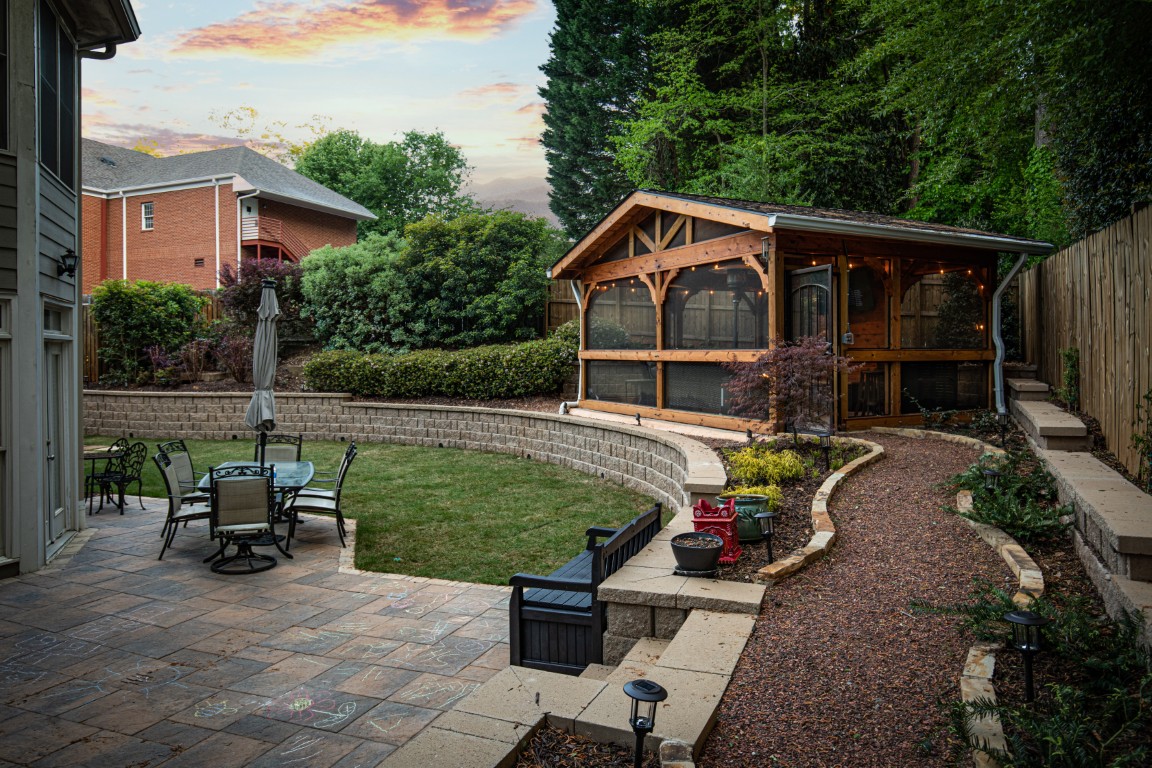
Outdoor living spaces often pair perfectly with water-efficient landscapes.
Benefits include:
- Cleaner transitions between patios and planting
- Reduced overspray and mess
- Easier long-term care
Low-water design supports a polished, livable environment.
Sustainability That Supports Long-Term Value
Water-efficient landscapes aren’t just environmentally responsible—they’re smart investments.
Long-term benefits include:
- Lower water usage
- Reduced stress on plantings
- Less intervention over time
- Increased appeal to future buyers
Sustainability and value go hand in hand.
Avoiding Common Low-Water Design Mistakes
Even well-intentioned designs can miss the mark.
Common mistakes include:
- Treating low-water as an afterthought
- Overusing gravel without structure
- Ignoring cohesion and scale
Professional design ensures balance and refinement.
Designing for Beauty Across Every Season
Low-water landscapes should feel complete year-round.
Design strategies that support this include:
- Emphasis on form and structure
- Consistent material palettes
- Strategic lighting for evening impact
The landscape should perform visually in every season.
Why Professional Design Makes the Difference
Low-water, high-impact landscapes require coordination between layout, materials, planting, and irrigation.
Outdoor Makeover’s large-scale project capability allows us to design outdoor environments where water efficiency is built into the design—not added later. Our one-year support guarantee and extensive aftercare services ensure these systems are positioned for long-term success.
Smart Design Is the New Luxury
The future of outdoor living is intentional. Landscapes that use less water while delivering more impact represent the best of modern design—refined, responsible, and enduring.
At Outdoor Makeover, we design outdoor environments that reflect how our clients want to live today and into the future. Through thoughtful planning and climate-conscious design, we help Atlanta homeowners create low-water landscapes that feel anything but low-impact.


