How to Transition Your Outdoor Furniture and Decor for Fall
Fall doesn’t arrive in Atlanta with a hard stop—it eases in. The days stay warm, evenings cool off, and outdoor spaces naturally invite a slower, more intentional pace. This seasonal shift is the perfect opportunity to refresh outdoor living areas so they feel just as welcoming in autumn as they did in summer—without starting over.
Transitioning outdoor furniture and décor for fall isn’t about swapping accessories or chasing trends. It’s about adjusting how spaces are used, how comfort is supported, and how materials and layout respond to changing conditions. Fall is where thoughtful design truly proves its value and a successful transition feels natural, not staged.
Why Fall Is a Design Opportunity, Not a Reset
Many homeowners treat fall as the end of outdoor living. In reality, Atlanta’s fall season is one of the most comfortable and enjoyable times to be outside. The key is ensuring outdoor spaces adapt to cooler evenings, softer light, and different patterns of use.
Well-designed outdoor environments don’t require dramatic seasonal changes. They simply need subtle shifts in emphasis—from open, sun-focused layouts to spaces that feel cozy, grounded, and inviting. When furniture placement and material choices are already thoughtful, this transition is effortless.
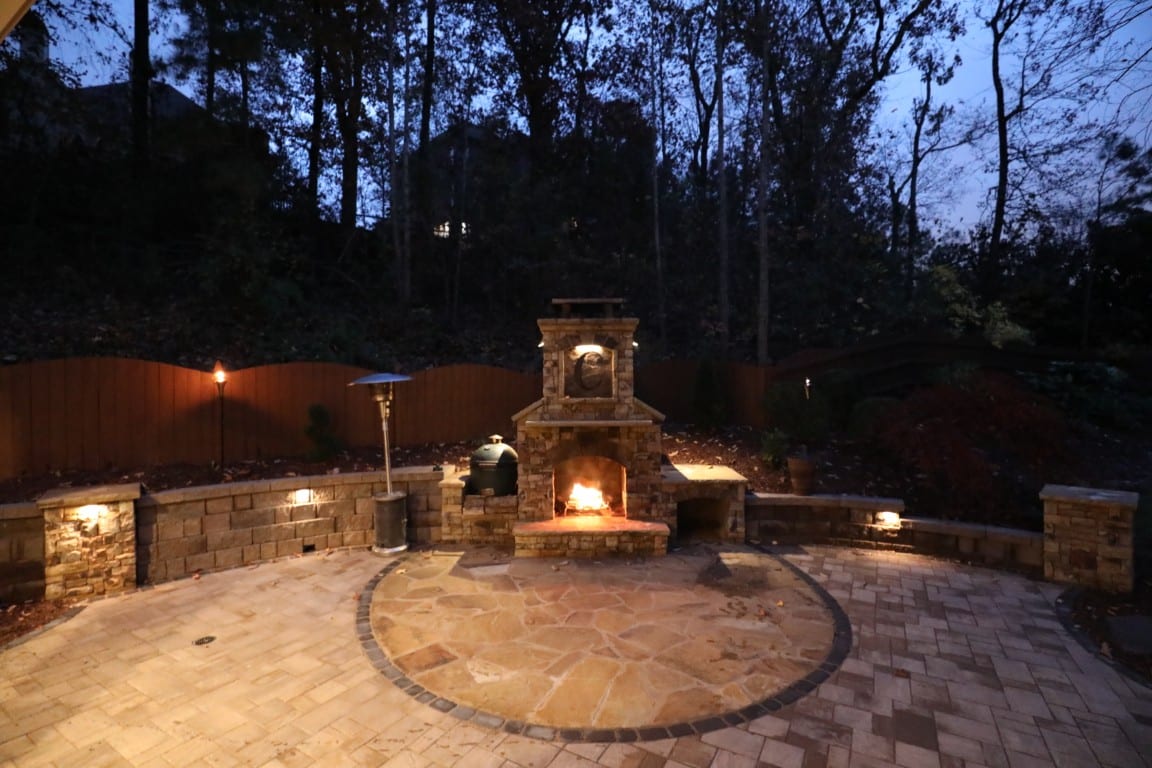
Start With How the Space Is Used in Fall
The most important step in transitioning outdoor furniture for fall is understanding how the space will be used differently. Summer often revolves around daytime activity and open flow. Fall favors evenings, conversation, and lingering.
Outdoor Makeover evaluates fall use patterns by asking:
- Where do people naturally gather as evenings cool?
- Which areas feel most comfortable after sunset?
- How does movement through the space change?
Furniture arrangements should respond to these shifts, encouraging connection rather than maximizing openness.
Rebalancing Furniture Layouts for Cozier Gatherings
Fall entertaining tends to be more intimate. Furniture layouts that worked well for large summer gatherings may feel too spread out once temperatures drop.
Subtle layout refinements can dramatically improve fall comfort:
- Bringing seating closer together to support conversation
- Orienting furniture toward focal points like fire features or views
- Reducing unnecessary circulation space
These changes don’t require new furniture—just intentional design thinking.
Prioritizing Comfort as Temperatures Change
As evenings cool, comfort becomes the deciding factor in whether outdoor spaces are used at all. Furniture that felt adequate in summer may feel exposed or under-supported in fall.
Design-forward fall transitions focus on:
- Seating depth and orientation
- Protection from evening breezes
- Creating zones that feel sheltered without being enclosed
Outdoor Makeover designs outdoor living spaces where comfort is built into the layout, not added seasonally.
Letting Materials Do the Work
Fall is when material choices take center stage. As vibrant summer growth softens, textures and finishes become more noticeable.
Materials that feel especially appropriate in fall include:
- Natural stone that retains warmth and visual weight
- Wood elements that add softness and warmth
- Textured surfaces that catch low-angle light
When outdoor furniture is paired with these materials, the space naturally feels more seasonal—without relying on decorative accents.
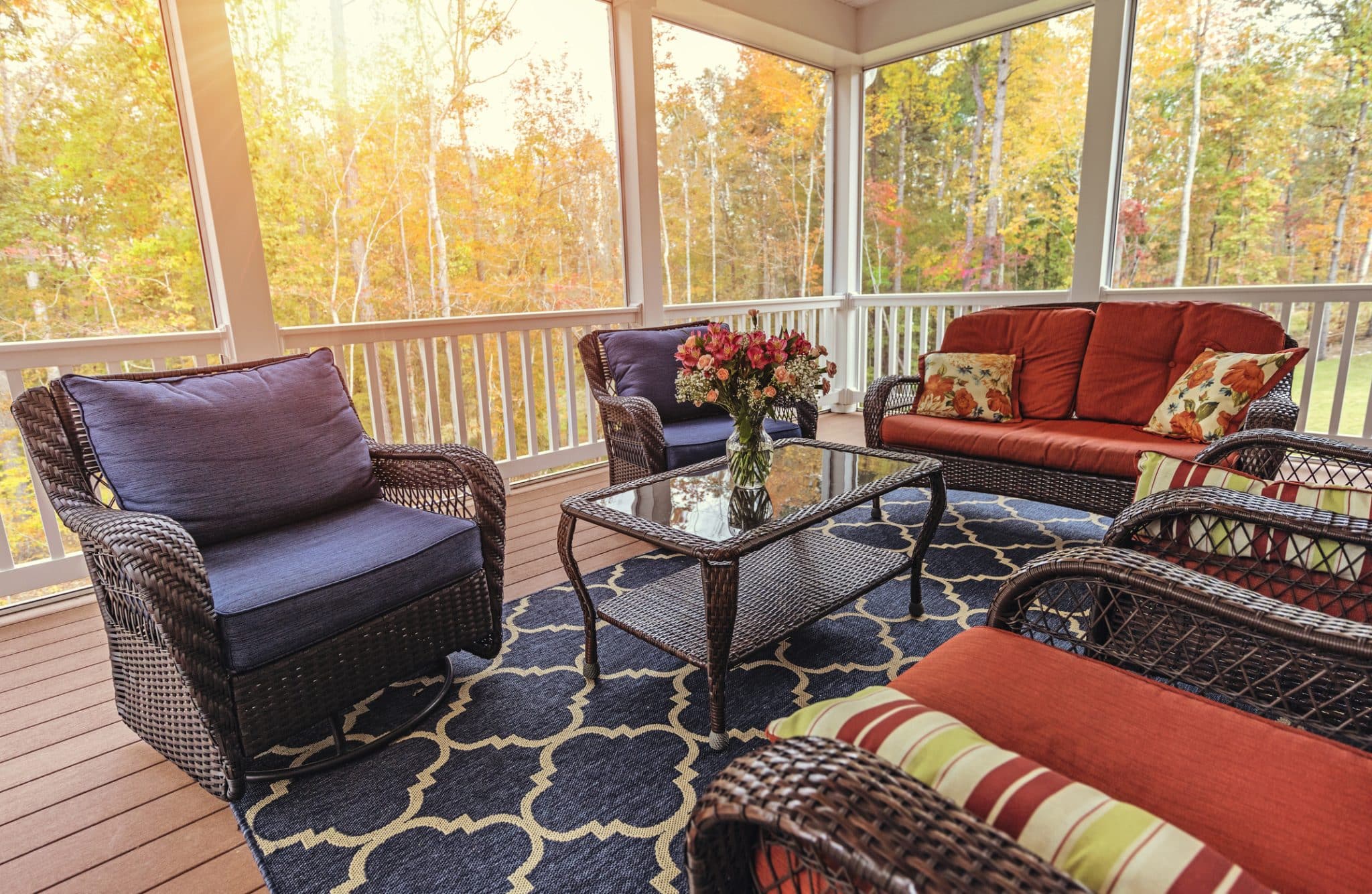
Transitioning Fabrics Without Over-Styling
Outdoor fabrics play a significant role in seasonal comfort, but fall transitions don’t require dramatic changes. Instead, they benefit from subtle refinements.
Design-led fabric transitions focus on:
- Richer textures rather than brighter colors
- Materials that feel substantial and inviting
- Maintaining cohesion with the surrounding architecture
Outdoor Makeover prioritizes fabric performance and placement so outdoor seating remains comfortable and visually composed through changing conditions.
Creating Visual Warmth Through Lighting
Lighting is one of the most effective tools for transitioning outdoor spaces into fall. As daylight fades earlier, lighting defines how long—and how comfortably—spaces are used.
Fall lighting should feel warmer and more intimate than summer lighting. Soft ambient illumination, gentle accents on architectural features, and well-placed path lighting help outdoor spaces feel welcoming rather than stark.
Lighting isn’t an accessory—it’s part of the seasonal experience.
Supporting Outdoor Living Areas for Evening Use
Fall naturally shifts outdoor living toward the evening hours. Dining areas, seating zones, and gathering spaces benefit from being evaluated with this in mind.
Outdoor Makeover ensures outdoor living areas:
- Are well-lit without glare
- Feel visually anchored after dark
- Encourage relaxed use rather than quick transitions
When these areas are designed intentionally, fall evenings become a highlight rather than an afterthought.
Simplifying Decor to Highlight Design
One of the most common fall mistakes is over-layering décor. Too many seasonal elements can clutter outdoor spaces and distract from the underlying design.
Luxury outdoor environments benefit from restraint. Allowing furniture, materials, and architecture to lead creates a more refined seasonal transition. Fall décor should support the design—not compete with it.
Timeless spaces don’t need constant decoration to feel relevant.
Enhancing Flow Between Indoor and Outdoor Spaces
Fall is when the relationship between indoor and outdoor living becomes especially important. Doors open more often, and spaces are used together rather than separately.
Aligning furniture placement and visual cues between indoor and outdoor areas helps reinforce this connection. When outdoor spaces feel like a natural extension of the home, seasonal transitions feel seamless.
Outdoor Makeover designs with this continuity in mind year-round.
Preparing Furniture for Seasonal Longevity
Transitioning into fall is also an opportunity to protect long-term performance. Thoughtful placement and seasonal evaluation help furniture weather changes without unnecessary wear.
Professional aftercare focuses on:
- Ensuring proper airflow around furnishings
- Reducing prolonged moisture exposure
- Evaluating how materials are aging
This proactive approach preserves comfort and appearance without requiring constant attention.
Avoiding the “Seasonal Swap” Mentality
The most successful outdoor spaces don’t rely on seasonal swapping to feel current. They rely on strong design fundamentals that adapt naturally.
Rather than replacing furniture or décor each season, Outdoor Makeover designs spaces that evolve through layout, lighting, and material balance. This approach saves time, reduces waste, and creates more consistent enjoyment.
Why Professional Design Makes Seasonal Transitions Effortless
Seasonal transitions are where design expertise truly shows. Without professional planning, outdoor spaces often feel mismatched or underused as conditions change.
Outdoor Makeover’s large-scale project capability allows us to design outdoor environments that anticipate seasonal shifts. Our one-year support guarantee and extensive aftercare services ensure spaces remain comfortable, functional, and visually refined as fall arrives.
This level of foresight removes guesswork and elevates everyday living.

Fall Is When Outdoor Spaces Feel Most Personal
Summer outdoor living is often social and energetic. Fall outdoor living is quieter, more personal, and more reflective. Spaces designed to support this shift feel deeply inviting.
When furniture layouts encourage conversation, materials feel warm, and lighting creates ambiance, outdoor spaces become places to slow down and reconnect.
A Seasonal Shift That Feels Natural
Transitioning outdoor furniture and décor for fall doesn’t require dramatic changes. It requires intention.
At Outdoor Makeover, we design outdoor environments that adapt effortlessly to the rhythm of the seasons. Through thoughtful layout, refined material selection, and professional aftercare, we help Atlanta homeowners enjoy outdoor spaces that feel just as compelling in fall as they do in summer.
Fall isn’t about changing your yard—it’s about experiencing it differently.


