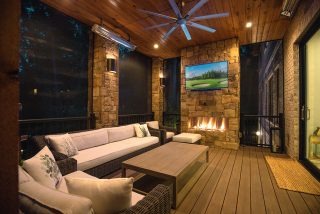
Outdoor Seating That Combines Comfort and Style
Outdoor seating does far more than provide a place to sit. It shapes how people gather, how long they stay outside, and how naturally an outdoor space supports everyday life. In luxury landscapes, seating is not an afterthought—it’s a design foundation. When comfort and style are balanced correctly, outdoor seating transforms patios and backyards into true extensions of the home.
In Atlanta’s climate, outdoor seating must perform just as well as it looks. Heat, humidity, sun exposure, and frequent use all demand thoughtful planning. Great outdoor seating isn’t about furniture alone. It’s about how the space is designed to support people.
Seating as a Design Strategy, Not a Décor Choice
One of the most common misconceptions about outdoor seating is that it begins and ends with furniture selection. In reality, the most successful outdoor seating environments are defined long before individual pieces are chosen.
Professional design considers where people naturally gather, how they move through the space, and how seating supports those behaviors. Sightlines, proximity to outdoor kitchens or fire features, and relationships to shade and lighting all influence whether a seating area feels welcoming or awkward.
When seating is designed into the landscape rather than placed on top of it, the space immediately feels more cohesive.
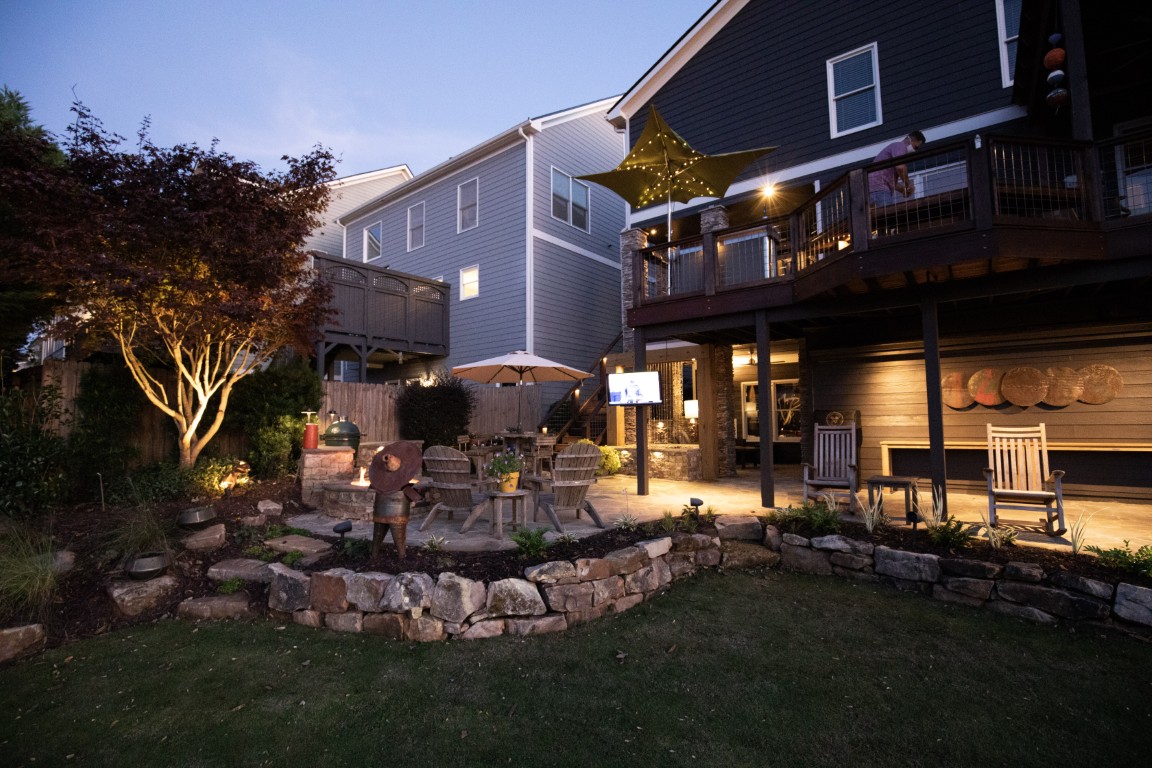
Comfort Is the True Luxury
Luxury outdoor spaces are often described visually, but comfort is what determines whether they’re actually used. Seating that looks beautiful but feels rigid, exposed, or disconnected quickly becomes decorative rather than functional.
Outdoor Makeover designs seating environments that invite people to linger. Proper spacing, supportive proportions, and thoughtful orientation toward focal points all contribute to comfort. When seating feels natural to use, outdoor living becomes part of daily life instead of an occasional event.
Designing Seating for How Families Actually Gather
Every family uses outdoor space differently. Some prefer casual lounging, others host frequently, and many need spaces that support multiple activities at once.
Professional seating design anticipates these patterns. Conversation groupings are arranged to encourage interaction without crowding. Lounging zones allow for relaxation without interrupting circulation. Flexible seating layouts accommodate both intimate evenings and larger gatherings.
By designing for real behavior rather than idealized scenarios, outdoor seating becomes adaptable and intuitive.
The Importance of Layout and Flow
No amount of comfort can overcome a poor layout. Seating that blocks walkways, faces away from focal points, or feels disconnected from the rest of the space often goes unused.
Outdoor Makeover approaches seating as part of the overall circulation plan. Walkways, transitions, and seating areas are designed together to maintain flow. This ensures that seating zones feel integrated rather than intrusive, supporting movement while still creating places to pause and gather.
A well-planned layout allows seating to feel effortless rather than forced.
Built-In Seating as a Design Advantage
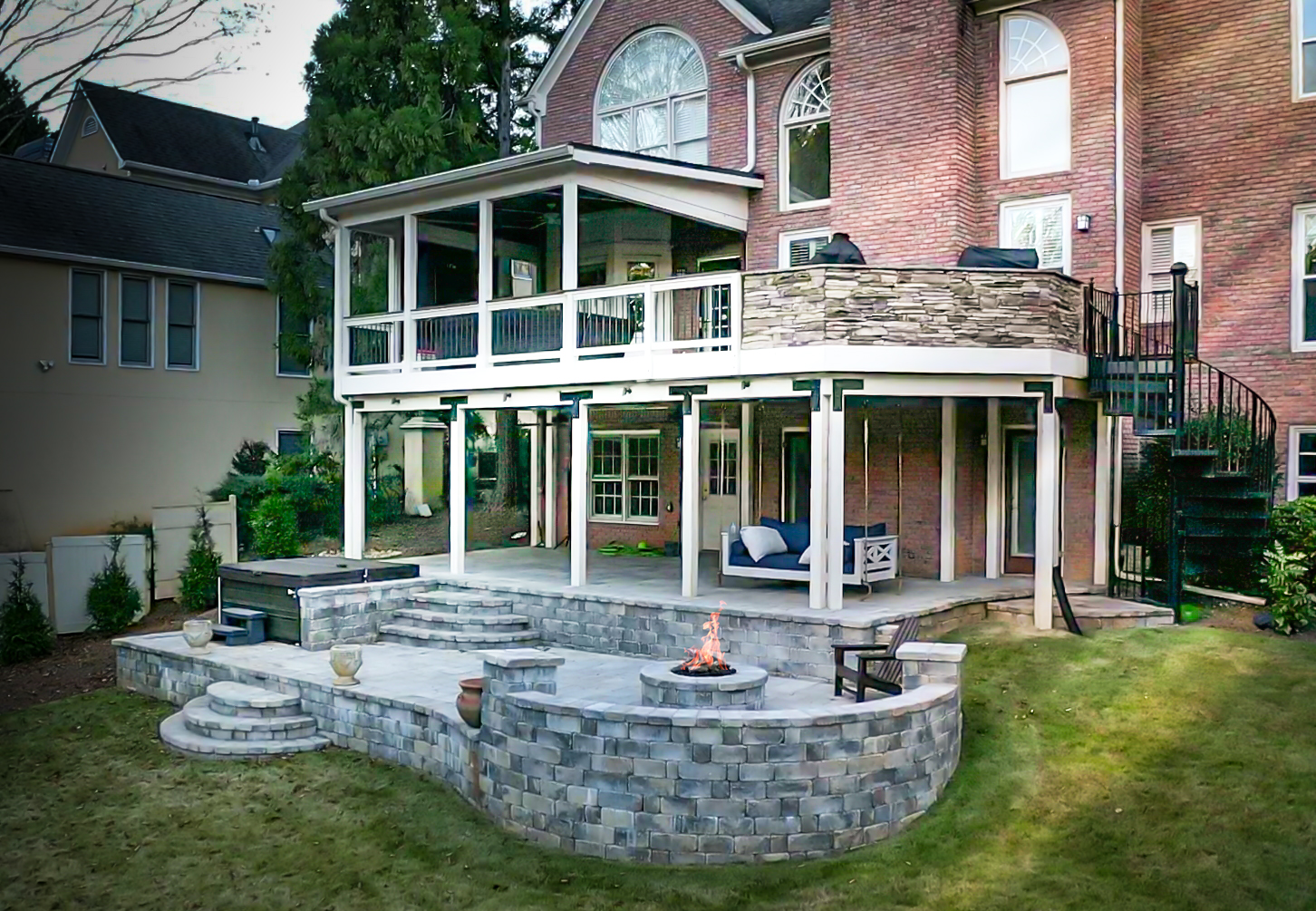
In many outdoor environments, built-in seating plays a critical role in balancing comfort and style. Integrated benches, seat walls, and custom features help anchor the design and reduce reliance on movable pieces alone.
Built-in seating adds structure and permanence, creating visual continuity with hardscapes and architectural elements. It also allows designers to control scale, spacing, and placement more precisely, resulting in seating that feels intentional and refined.
These elements often become the most used features in the landscape because they feel natural and dependable.
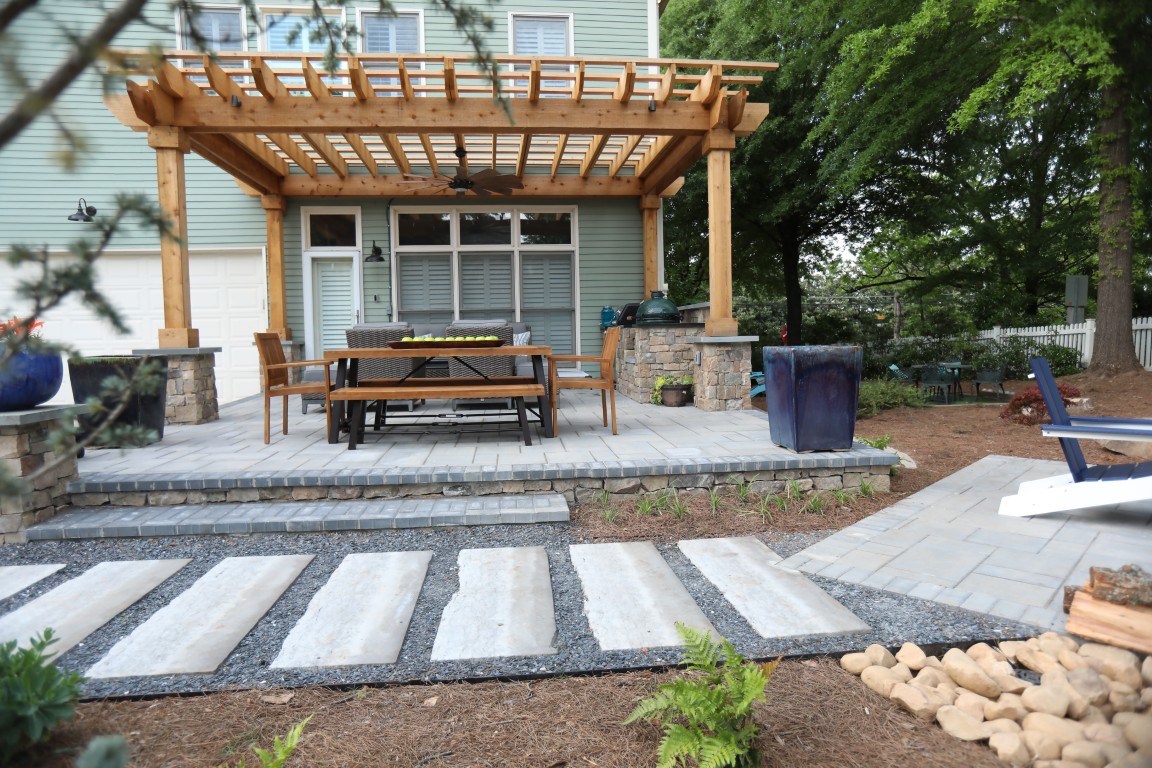
Material Choices That Support Comfort Over Time
Outdoor seating must withstand Atlanta’s climate without sacrificing comfort. Heat retention, moisture exposure, and UV impact all influence how seating performs throughout the year.
Rather than focusing on trends, Outdoor Makeover designs seating environments using materials and finishes that age gracefully. Surfaces are selected to remain comfortable in summer heat and durable through seasonal changes. This ensures seating areas remain inviting long after installation.
Comfort that lasts is a hallmark of quality design.
Seating and Shade: A Necessary Relationship
Even the most comfortable seating will go unused if it’s placed in direct sun for most of the day. Shade is one of the most important factors in outdoor seating design, especially during Atlanta summers.
Seating areas are intentionally positioned relative to shade structures, natural shade elements, or architectural features. This relationship allows seating to remain usable throughout the day and into the evening, extending the life of the outdoor space far beyond peak sunlight hours.
Shade doesn’t just protect—it enhances comfort and usability.
Seating That Supports Outdoor Entertaining
Entertaining outdoors requires more than extra chairs. Seating must support conversation, visibility, and ease of movement for guests.
Outdoor Makeover designs seating arrangements that allow hosts to interact naturally with guests, move easily between zones, and maintain a sense of flow. Whether the setting is casual or elevated, seating should enhance the experience rather than complicate it.
Well-designed seating turns gatherings into experiences rather than logistics.
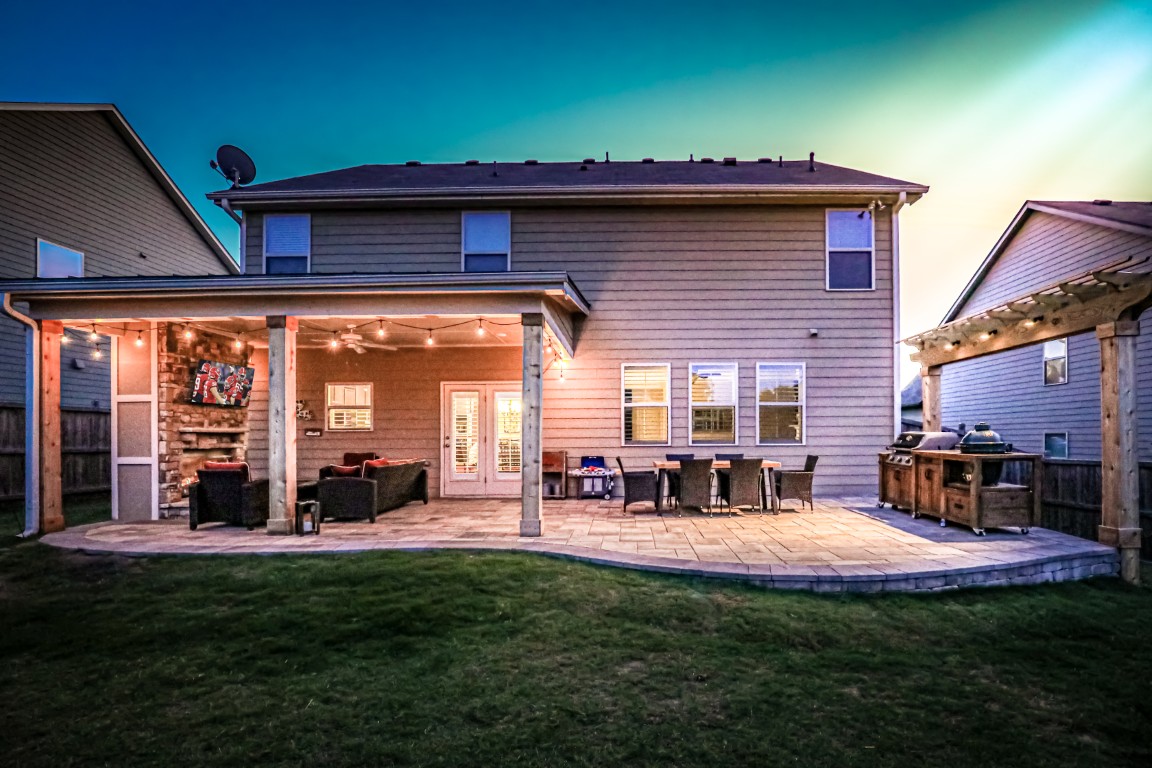
Balancing Style Without Sacrificing Function
Style matters—but it should never overpower function. Outdoor seating that prioritizes appearance at the expense of comfort or usability quickly loses its appeal.
Professional design ensures that seating complements the architectural language of the home and landscape without becoming rigid or impractical. Clean lines, thoughtful proportions, and cohesive material palettes create seating environments that feel elevated yet approachable.
Style should invite use, not intimidate it.
Seating Around Fire Features and Focal Points
Fire features often become the heart of an outdoor space, and seating must be designed accordingly. Placement, distance, and orientation all influence how comfortable and functional these areas feel.
Outdoor Makeover designs seating around focal points in a way that supports warmth, conversation, and visibility without crowding. The result is a natural gathering space that feels balanced and inviting across seasons.
Flexibility Without Clutter
Luxury outdoor spaces benefit from flexibility, but too much movable seating can lead to visual clutter and inconsistency.
Design-driven seating environments strike a balance between built-in structure and adaptable elements. This allows spaces to evolve as needed while maintaining a clean, cohesive appearance. Flexibility should feel seamless, not improvised.
Designing Seating for Longevity, Not Trends
Trends change quickly, but outdoor seating should feel relevant for years. Designs rooted in proportion, comfort, and timeless materials outlast fleeting styles.
Outdoor Makeover prioritizes seating solutions that remain visually and functionally strong as the landscape matures. This long-term perspective protects investment and ensures the space continues to feel current without frequent redesign.
Why Professional Design Makes Seating Work
Outdoor seating succeeds or fails based on decisions that are often invisible to homeowners. Scale, spacing, orientation, and integration all require experience to execute well.
Outdoor Makeover’s large-scale project capability allows us to design outdoor seating environments that work seamlessly with patios, hardscapes, shade structures, and landscape architecture. Our one-year support guarantee and extensive aftercare services ensure that these spaces continue to perform as intended long after completion.
Seating That Supports Everyday Outdoor Living
The best outdoor seating doesn’t announce itself—it invites use. It encourages families to step outside after dinner, hosts to gather without rearranging the space, and guests to feel instantly comfortable.
At Outdoor Makeover, we design outdoor seating environments that balance comfort and style through intentional planning, refined craftsmanship, and a deep understanding of how people actually live outdoors. The result is seating that looks beautiful, feels effortless, and supports a lifestyle centered on connection and enjoyment.