Top Landscape Lighting Ideas to Highlight Spring Growth
Spring is when the landscape comes alive again. New foliage emerges, trees regain fullness, and planting beds begin to show depth and texture. While most homeowners focus on what they can see during the day, thoughtful landscape lighting ensures spring growth is just as impactful after sunset.
In luxury outdoor design, lighting is not decorative—it’s architectural. It reveals form, creates mood, and extends the experience of the landscape well into the evening. At Outdoor Makeover, our mission—“Driven by passion, we seamlessly craft lifestyles and stories for our clients and their families”—guides us to design lighting systems that elevate outdoor environments, allowing homeowners to enjoy spring’s renewal around the clock.
Spring landscape lighting isn’t about adding more light. It’s about placing light with intention.
Why Spring Is the Perfect Time to Rethink Landscape Lighting
As plants wake up from winter dormancy, their form changes quickly. New leaves, budding branches, and layered planting beds offer visual interest that often goes unnoticed at night without proper lighting.
Spring lighting design:
- Highlights fresh growth and texture
- Reveals structure returning to the landscape
- Extends outdoor living into longer evenings
- Reinforces the overall design composition
Well-placed lighting allows homeowners to experience the full beauty of spring—not just during daylight hours.

Lighting as a Tool to Reveal Growth, Not Overpower It
The most effective landscape lighting doesn’t compete with the landscape—it supports it. Especially in spring, restraint is key.
Design-driven lighting focuses on:
- Soft illumination rather than brightness
- Revealing natural forms and movement
- Allowing shadows to play a role
This approach creates depth and sophistication rather than visual noise.
Tree Uplighting to Showcase Spring Canopies
Trees are among the most dramatic elements to light in spring. As canopies fill in, uplighting brings attention to branching structure and emerging foliage.
Effective tree uplighting:
- Is positioned to highlight trunk and branch architecture
- Uses warm tones to enhance natural color
- Avoids excessive brightness that flattens texture
Accent lights for trees create vertical interest and anchor the landscape visually at night.
Garden Uplights for Layered Planting Beds
Spring planting beds benefit from subtle uplighting that reveals depth rather than individual plants.
Garden uplights work best when they:
- Wash light across layers of planting
- Highlight texture instead of color alone
- Create gentle contrast between foreground and background
This technique allows beds to feel rich and dimensional after dark.
Accent Lighting to Highlight New Growth
Spring growth is delicate and dynamic. Accent lighting can draw attention to emerging plants without overwhelming them.
Accent lighting strategies include:
- Highlighting feature shrubs or specimen plants
- Illuminating architectural plant forms
- Using narrow beams to create focus
When used sparingly, accent lights celebrate growth while maintaining elegance.
Walkway Lighting That Supports Spring Flow
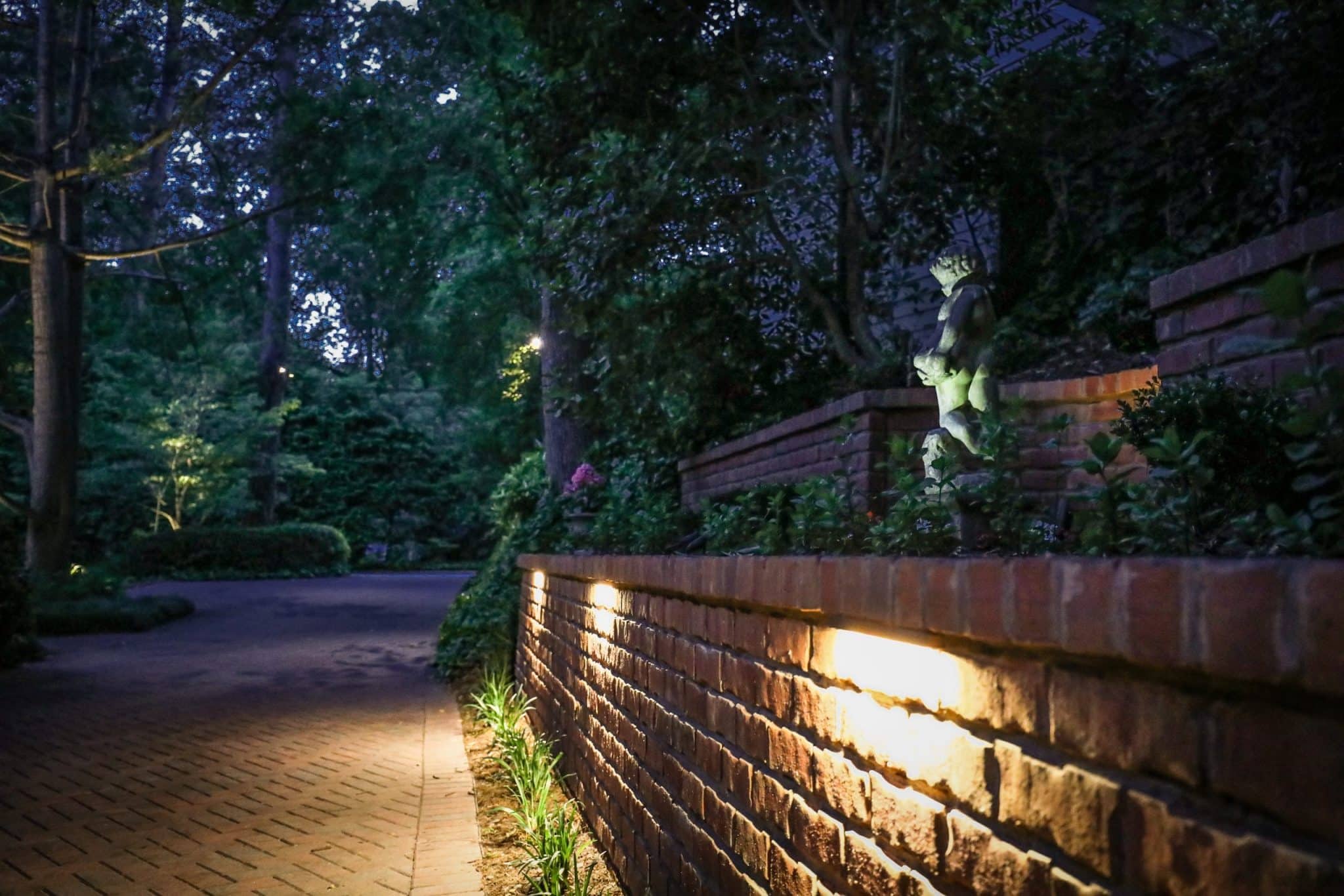
As outdoor activity increases in spring, walkway lighting becomes essential for both safety and ambiance.
Well-designed walkway lighting:
- Guides movement without glare
- Reinforces circulation patterns
- Adds rhythm and visual continuity
Rather than spotlighting the path itself, effective lighting allows the surrounding landscape to frame the journey.
Flower Bed Illumination for Subtle Drama
Flower beds don’t need to be bright to be effective at night. Soft illumination reveals form, height, and movement as plants mature.
Flower bed lighting should:
- Use low-level fixtures
- Emphasize edges and transitions
- Avoid washing out delicate blooms
This creates interest without disrupting the natural balance of the landscape.
Using Shadow to Enhance Spring Texture
Light is only half the equation—shadow completes the picture. Spring foliage creates intricate shadows that add richness to nighttime views.
Intentional shadow play:
- Enhances texture and depth
- Makes plantings feel layered
- Adds visual interest without additional fixtures
Designing with shadow elevates lighting from functional to artistic.
Lighting Hardscape to Frame Spring Planting
Hardscape elements such as walls, steps, and pathways help frame new growth and guide the eye.
Effective hardscape lighting:
- Softly washes vertical surfaces
- Highlights transitions between spaces
- Creates contrast with surrounding greenery
This approach grounds the landscape and supports cohesion.
Backyard Ambiance Lighting for Spring Evenings
As temperatures rise, families naturally spend more evenings outdoors. Lighting should support comfort and relaxation rather than command attention.
Ambiance lighting includes:
- Warm, low-level illumination
- Layered lighting across zones
- Consistent tone throughout the space
This creates outdoor environments that feel welcoming and usable long after sunset.
Color Temperature Matters in Spring Landscapes
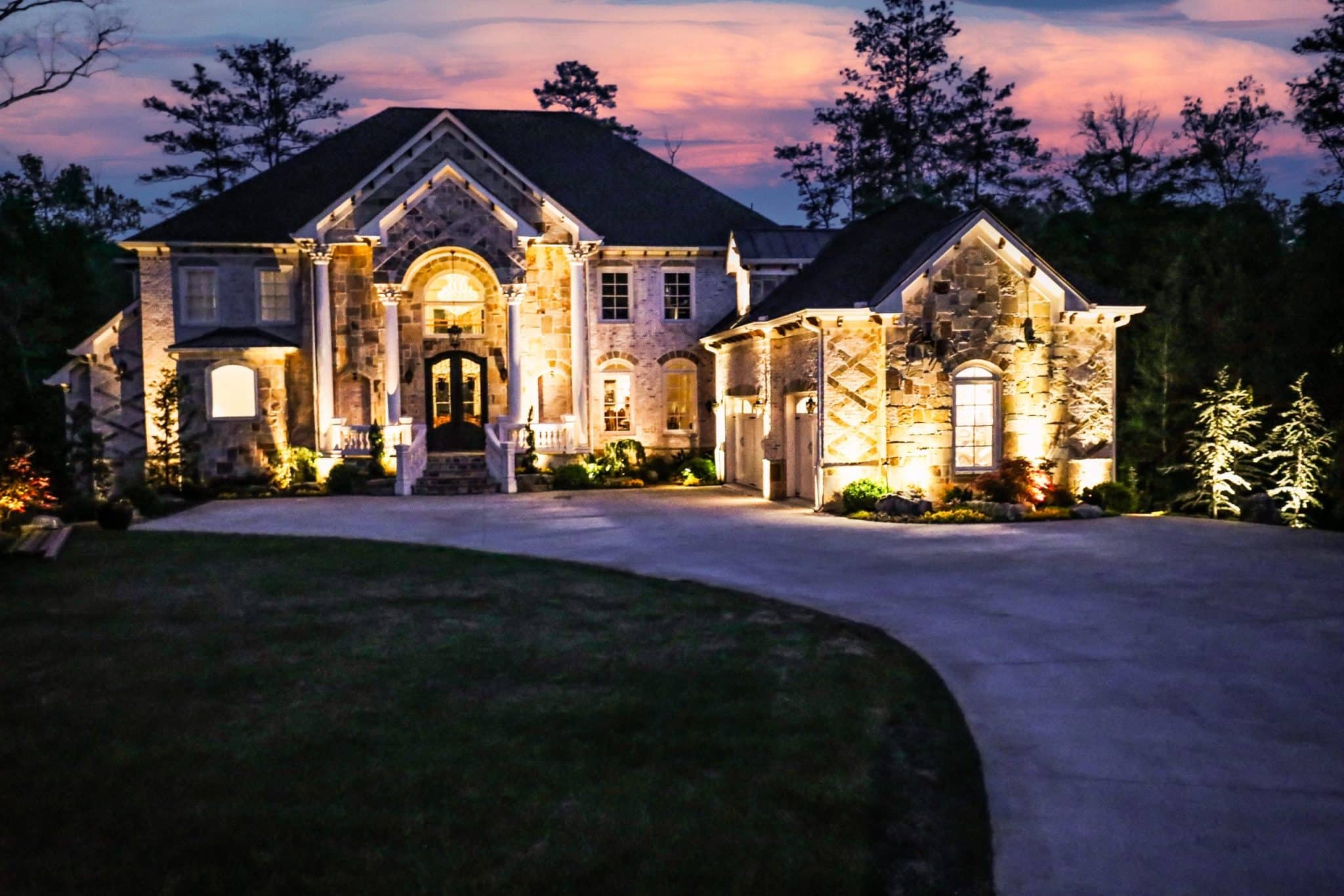
Choosing the right color temperature is essential for showcasing spring growth accurately.
Warm color temperatures:
- Enhance natural greens and bark tones
- Feel inviting rather than stark
- Complement stone and wood finishes
Cool lighting often flattens plant color and should be used selectively, if at all.
Avoiding Common Spring Lighting Mistakes
Even well-intentioned lighting can detract from the landscape if not planned carefully.
Common mistakes include:
- Over-lighting planting beds
- Using inconsistent fixture styles
- Ignoring how plants will grow and fill in
Professional planning ensures lighting evolves with the landscape rather than fighting it.
Designing Lighting for Growth Over Time
Spring growth is just the beginning. Lighting systems should be designed with mature plant size and future canopy in mind.
Forward-thinking lighting design:
- Anticipates plant growth patterns
- Allows for adjustment as landscapes mature
- Maintains balance as seasons change
This ensures long-term performance and visual consistency.
Lighting That Enhances Outdoor Living Zones
Landscape lighting should reinforce how outdoor spaces are used.
Zone-specific lighting supports:
- Dining and seating areas
- Circulation between spaces
- Visual separation without barriers
Lighting becomes a tool for usability—not just aesthetics.

Why Professional Lighting Design Makes the Difference
Landscape lighting requires precision. Fixture placement, beam spread, and intensity all affect the final experience.
Outdoor Makeover’s large-scale project capability allows us to integrate lighting seamlessly into the overall landscape design. Our one-year support guarantee and extensive aftercare services ensure lighting systems continue performing beautifully as the landscape evolves.
Experiencing Spring After Dark
Spring shouldn’t disappear when the sun goes down. With thoughtful landscape lighting, new growth, texture, and structure can be enjoyed throughout the evening—adding depth and dimension to outdoor living.
At Outdoor Makeover, we design lighting systems that reveal the beauty of the landscape in every season. Through intentional placement and refined design, we help Atlanta homeowners experience spring in a whole new light.