The Best Low-Maintenance Plants for Atlanta’s Late Summer
By late summer in Atlanta, outdoor landscapes reveal how well they were truly designed. Heat, humidity, and inconsistent rainfall place stress on every element of the yard, and landscapes that rely on high-maintenance planting often show it first. For homeowners who value refined outdoor living without constant intervention, late summer is when low-maintenance plant design proves its worth.
Low-maintenance planting isn’t about using fewer plants—it’s about using the right ones, in the right places, for the right reasons. That means choosing plant palettes that hold their structure, beauty, and balance even when summer is at its most demanding.
Late summer doesn’t require more effort. It requires better planning.
What “Low-Maintenance” Really Means in Landscape Design
Low-maintenance is often misunderstood as minimal or bare. In reality, the most successful low-maintenance landscapes feel intentional, layered, and composed. They simply don’t rely on constant watering, trimming, or replacement to look complete.
In professional landscape design, low-maintenance plants are selected for their durability, structure, and ability to complement hardscape and outdoor living spaces. They work with Atlanta’s climate rather than fighting it, allowing the landscape to remain polished even as conditions become less forgiving.
Why Late Summer Is the Ultimate Test
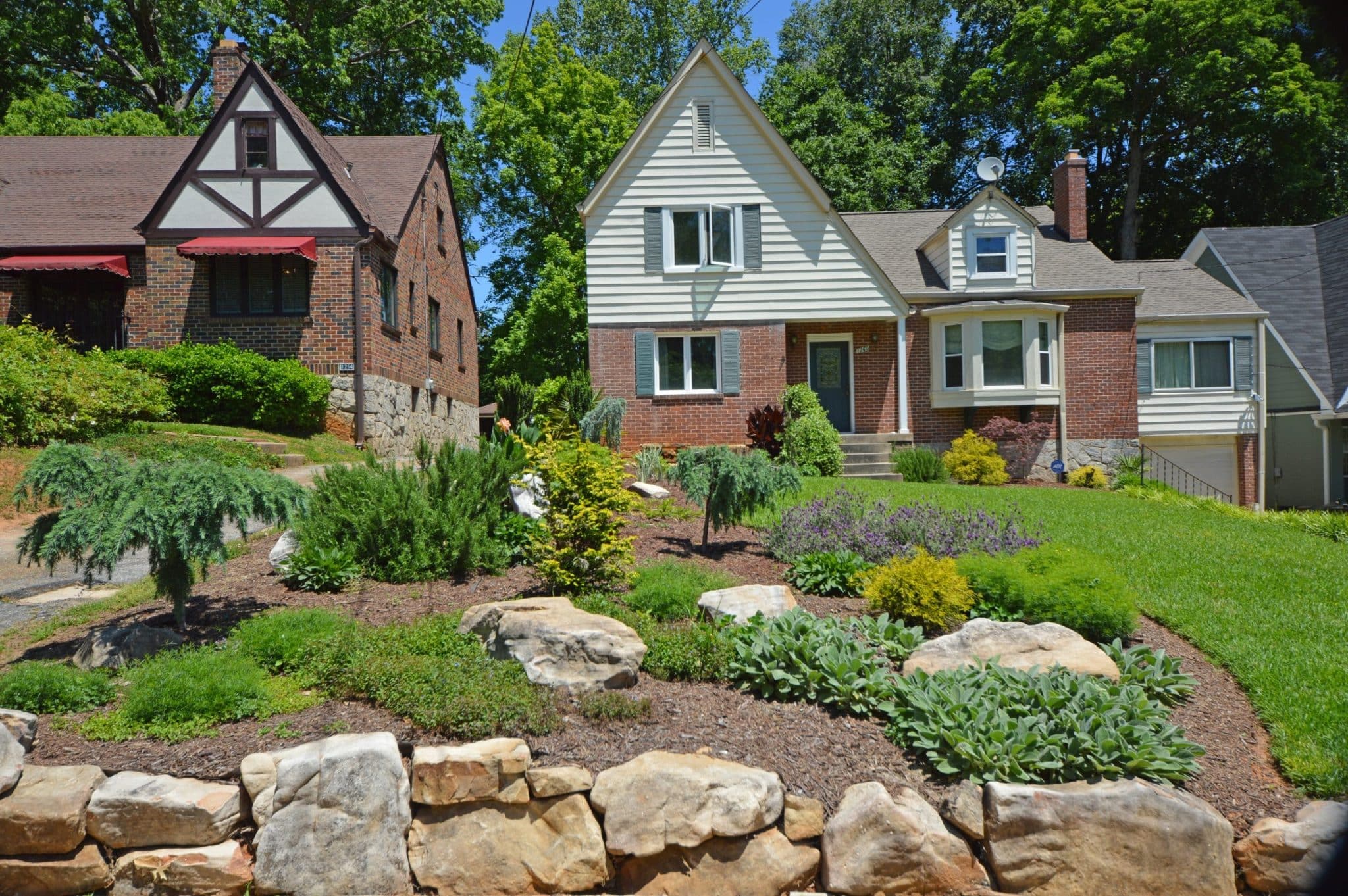
Late summer is when weaknesses in planting design become obvious. Plants that looked lush in spring may appear tired, uneven, or stressed after months of heat. Lawns may thin, and planting beds can lose definition if they require too much support to perform.
Low-maintenance plant selections are designed to withstand this period. They hold their form, maintain visual consistency, and require fewer adjustments as temperatures peak. This resilience allows the entire landscape to feel stable rather than reactive.
Designing With Structure First, Plants Second
One of the most important principles of low-maintenance planting is that plants should support the design—not define it entirely. When landscapes rely solely on seasonal color or delicate plantings, maintenance demands increase dramatically.
Outdoor Makeover designs with structure as the foundation. Hardscapes, outdoor rooms, and circulation patterns establish the framework, while plantings reinforce those lines. This approach ensures that even as plants move through seasonal cycles, the landscape never feels unfinished.
Shrubs & Structural Planting That Hold Their Shape
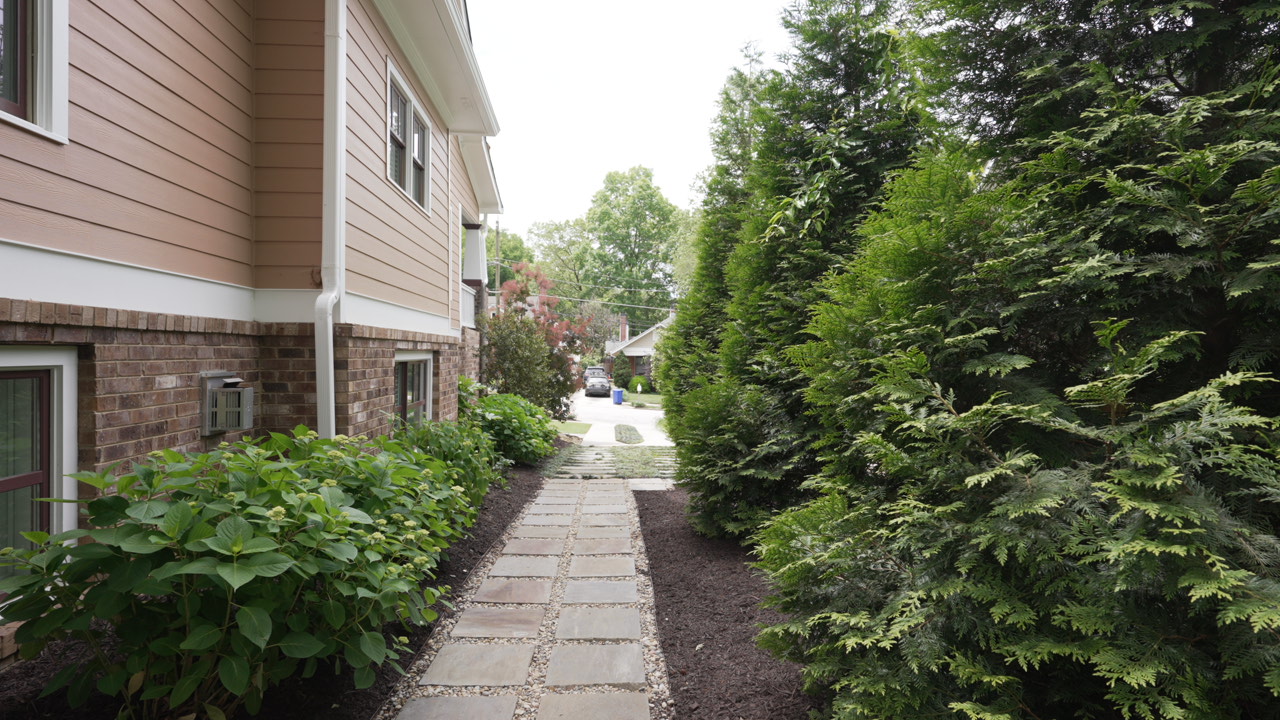
In late summer, plants that maintain form and consistency are invaluable. Structural plantings create visual stability, framing outdoor spaces and defining transitions without constant upkeep.
These plants provide rhythm and balance, especially around patios, walkways, and outdoor living areas. When structure is prioritized, the landscape retains clarity even as growth slows or conditions fluctuate.
Native & Climate-Appropriate Choices Matter
Atlanta’s climate rewards plant selections that are naturally suited to heat, humidity, and occasional drought. Native and climate-adapted plants typically require less intervention, recover more quickly from stress, and integrate more naturally into the environment.
In professional design, these plants are chosen not just for survival, but for how they contribute to the overall aesthetic. Their textures, scale, and growth habits are used intentionally to support a clean, cohesive look throughout late summer and beyond.
Reducing Water Demand Without Sacrificing Impact
Low-maintenance landscapes often go hand in hand with lower water usage—but the goal isn’t to eliminate water entirely. It’s to use it efficiently and strategically.
Plant groupings with similar water needs, paired with smart irrigation design, reduce stress and overwatering. This approach allows plantings to remain healthy without constant adjustment, even during Atlanta’s hottest weeks.
Texture Over Seasonal Color
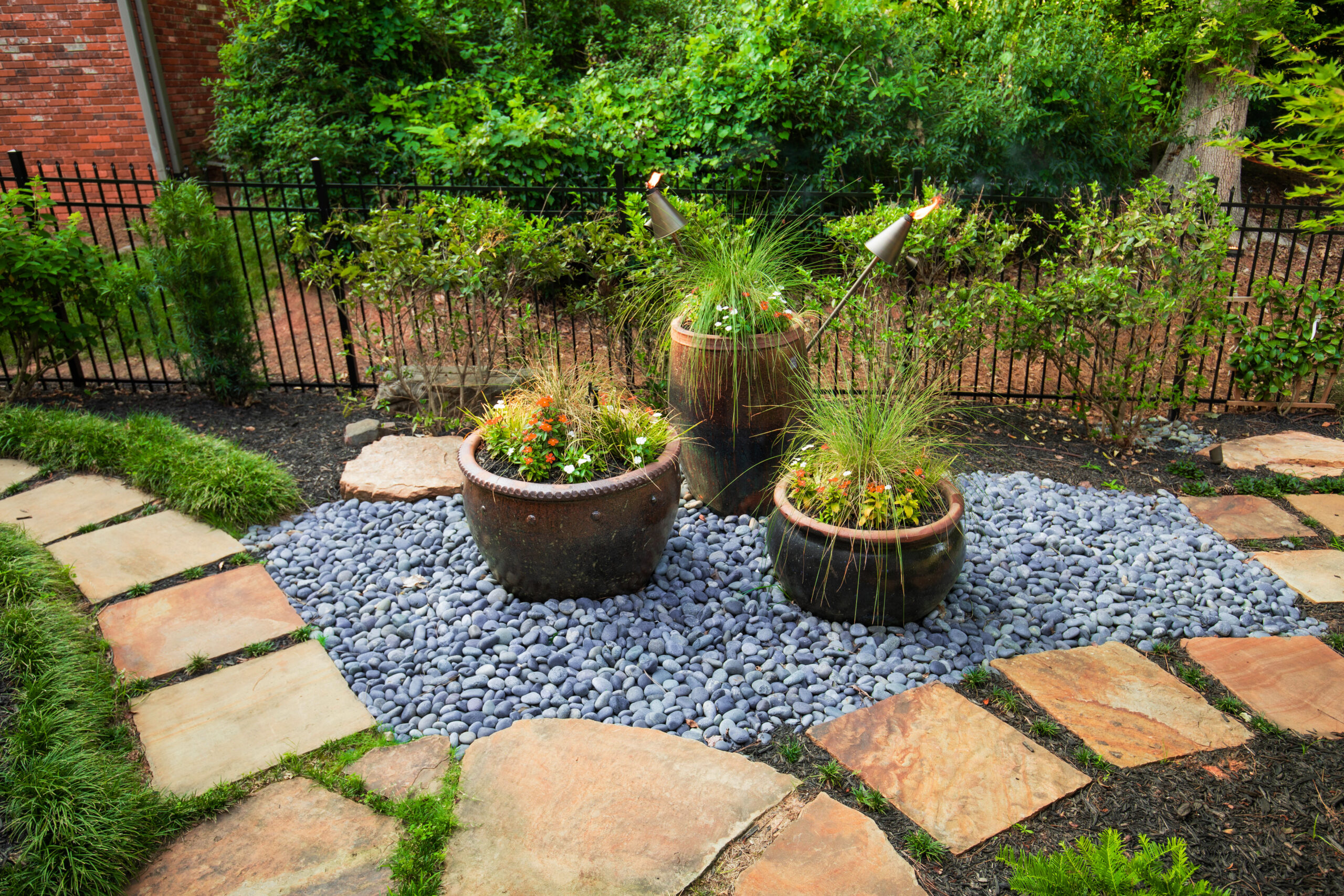
Color is appealing, but texture is what carries a landscape through challenging seasons. In late summer, when flowering may slow, texture becomes the dominant visual element.
Leaves, branching patterns, and surface contrast between planting and hardscape provide depth and interest without demanding additional care. Landscapes designed with texture in mind remain visually engaging long after peak bloom periods.
Simplifying Planting Beds for Long-Term Ease
Overly complex planting beds are one of the biggest contributors to maintenance fatigue. Too many varieties competing for space and resources can lead to uneven growth and inconsistent performance.
Outdoor Makeover favors simplified, intentional planting layouts. Fewer plant types used more strategically create cleaner lines, stronger visual impact, and easier long-term care. This simplicity is not minimalism—it’s refinement.
Supporting Outdoor Living Areas With Low-Maintenance Planting
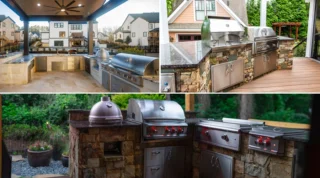
Planting near patios, outdoor kitchens, and gathering areas should enhance the experience, not complicate it. Low-maintenance plant choices help keep these spaces clean, accessible, and visually calm.
Reduced debris, controlled growth habits, and predictable performance allow homeowners to enjoy outdoor living spaces without constant attention. This alignment between planting and lifestyle is a cornerstone of luxury outdoor design.
Late Summer Is Not the Time for Reactive Changes
One of the most common mistakes homeowners make is reacting aggressively to late-summer stress. Overwatering, excessive trimming, or replacing plants during peak heat often causes more harm than good.
Professional evaluation focuses on stabilization rather than transformation. By identifying which elements need support and which simply need time, landscapes are allowed to recover naturally and transition smoothly into fall.
Preparing the Landscape for Seasonal Transition
Low-maintenance planting doesn’t stop working when summer ends—it sets the stage for what comes next. Landscapes that remain balanced in late summer are better positioned for fall performance.
Thoughtful design ensures that plantings don’t collapse or require major intervention as conditions change. Instead, they adapt gradually, maintaining continuity and visual integrity.
Why Professional Design Makes Low-Maintenance Possible
True low-maintenance landscapes are rarely accidental. They are the result of experience, planning, and an understanding of how outdoor environments behave over time.
Outdoor Makeover’s large-scale project capability allows us to design landscapes where plant selection, irrigation, hardscape, and outdoor living areas work together as a single system. Our one-year support guarantee and extensive aftercare services ensure these landscapes continue to perform as intended through every season.
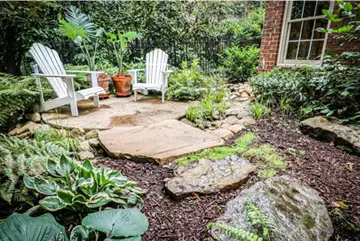
Low-Maintenance as a Lifestyle Choice
For busy families and homeowners who value their time, low-maintenance landscapes support a more enjoyable way of living. They remove stress, reduce intervention, and allow outdoor spaces to be used freely rather than managed constantly.
This is not about doing less—it’s about designing smarter.
Landscapes That Look Effortless, Even in Late Summer
The best landscapes don’t show strain when summer peaks. They remain composed, functional, and inviting because they were designed with Atlanta’s climate in mind from the beginning.
At Outdoor Makeover, we create outdoor environments that balance beauty with practicality. Through thoughtful plant selection, refined layouts, and professional oversight, we help homeowners enjoy landscapes that feel effortless—even in late summer—while supporting long-term value and everyday outdoor living.